
When you run a custom apparel business, choosing the right decoration method can make or break your margins. I have been in the trenches, printing everything from single-color team jerseys to full-color promotional hoodies, and I have seen the industry shift dramatically with the rise of DTF transfers. But is this newcomer really better than the tried-and-true screen printing? The answer depends on your specific needs, and I am going to break it down without any fluff.
What Are DTF Transfers?
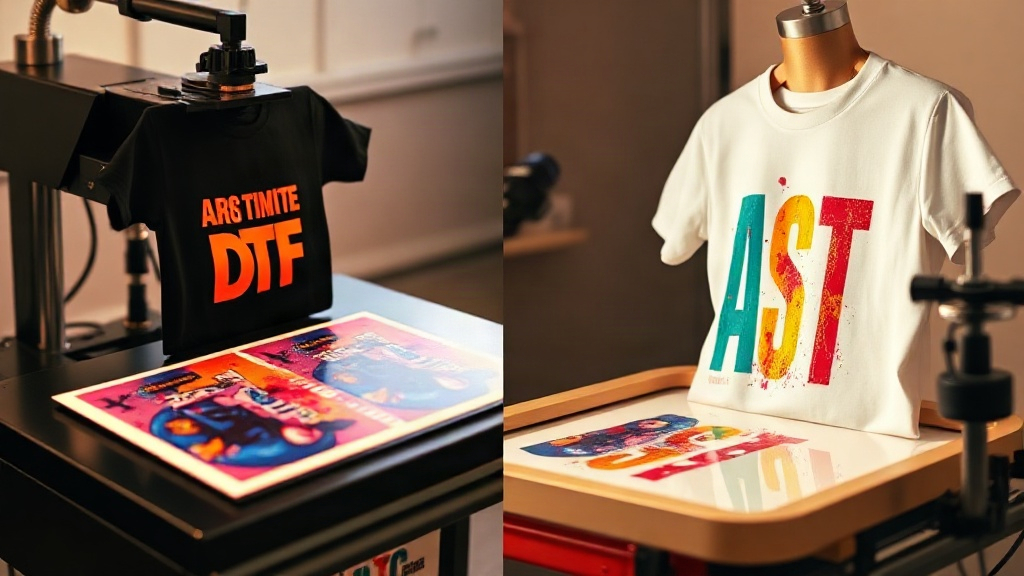
Direct-to-film (DTF) printing is a digital process where your design is printed onto a special PET film using water-based pigments. A powdered hot-melt adhesive is applied to the wet ink, then the film is cured. When you are ready to apply it, you place the transfer on your garment and press it with a heat press. The adhesive melts, bonding the ink to the fabric. This method has exploded in popularity because it handles complex, multi-color designs without the setup costs of screen printing.
Key Advantages of DTF Transfers
- No color limits: You can print photorealistic images, gradients, and fine details in a single pass.
- Low minimums: Perfect for one-off custom orders or sample runs; no screens to burn.
- Versatile fabrics: Works on cotton, polyester, blends, and even some treated nylon.
- Fast turnaround: Once the film is printed and cured, you can press shirts in minutes.
I remember when I first started offering DTF transfers to my customers. A local gym wanted 12 hoodies with a complex mascot logo full of gradients. Screen printing would have cost a fortune in setup. With DTF, I printed the film in 20 minutes and had the order ready the same day. The customer was thrilled, and I pocketed a healthy margin.
What Is Screen Printing?
Screen printing, also called silkscreening, involves creating a stencil (screen) for each color in your design. Ink is pushed through the mesh onto the fabric, one color at a time. Each color requires a separate screen, and the ink must be cured between layers. This method has been the industry standard for decades because it produces vibrant, long-lasting prints, especially on large orders.
Key Advantages of Screen Printing
- Unbeatable durability: Properly cured plastisol ink can outlast the garment itself.
- Vibrant, opaque colors: Great for bold graphics on dark fabrics.
- Cost-effective at scale: Once screens are made, the per-unit cost drops significantly for large runs.
- Special effects: You can use metallic, puff, glow-in-the-dark, and other specialty inks.
However, screen printing has a steep learning curve. I have ruined my fair share of shirts by misaligning a screen or using the wrong mesh count. It requires space, equipment, and a good eye for detail.
Cost Comparison: DTF Transfers vs Screen Printing
This is where the decision often gets made. Let's crunch the numbers for a typical order.
Small Orders (1-24 pieces)
Screen printing: You will pay for screen setup (typically $20-$40 per color) plus the cost of the garment and printing. For a 3-color design on 12 shirts, you might spend $150 just on screens. That adds $12.50 per shirt before ink and labor.
DTF transfers: No setup fees. You pay per transfer, usually $2-$5 depending on size and quantity. For 12 shirts, your cost is just the transfers plus garments. You save hundreds.
Medium Orders (25-99 pieces)
Screen printing starts to become more competitive. The setup cost is spread over more units, bringing the per-unit price down. However, if your design has many colors, DTF can still win because you avoid multiple screen charges.
Large Orders (100+ pieces)
Screen printing is the clear winner. The per-unit cost can drop to $1-$3 for simple designs, while DTF transfers might cost $1.50-$4 each. For a 500-piece order, screen printing saves you thousands.
Quality and Durability
Both methods produce durable prints when done correctly, but they feel different. Screen printing lays a layer of ink on top of the fabric, which can be felt. DTF transfers also sit on top but are thinner and more flexible, especially after washing. In my experience, a well-pressed DTF transfer can survive 50+ washes without cracking, but screen printing still holds the edge for extreme durability, especially on heavy cotton.
One caveat: DTF transfers require a quality heat press and proper pressure. If you rush it, the transfer can peel. I always recommend a test press on a scrap garment to dial in your settings.
Workflow and Space Requirements
Screen printing demands a dedicated space: you need a washout booth, exposure unit, drying rack, and ventilation for the inks. It is a messy, hands-on process. DTF transfers, on the other hand, require only a printer, a shaker (to apply adhesive powder), and a heat press. You can set up a DTF station in a small room or even a garage. For startups or home-based businesses, DTF is far more accessible.
Which Method Should You Choose?
Ask yourself these questions:
- Do you often print complex, multi-color designs? If yes, DTF.
- Are your orders mostly small or one-off? If yes, DTF.
- Do you have a large run of a simple design? If yes, screen printing.
- Do you want to offer specialty inks like metallic or puff? Screen printing.
- Is space limited? DTF.
Many successful shops use both. They keep a DTF setup for samples and small orders, and outsource screen printing for big jobs. That hybrid approach gives you flexibility and keeps customers happy.
Frequently Asked Questions
Can DTF transfers be used on dark colors?
Yes, DTF transfers include a white ink layer that makes colors pop on dark fabrics. You do not need a separate white underbase like with some other methods.
How long do DTF transfers last?
With proper application and care, DTF transfers can last as long as the garment. Wash inside out in cold water and avoid ironing directly on the print.
Is DTF printing cheaper than screen printing for 50 shirts?
It depends on the design. For a one-color design, screen printing is likely cheaper. For a full-color photo, DTF is almost always cheaper because you avoid multiple screen charges.
Do I need a special printer for DTF transfers?
Yes, you need a DTF printer that uses pigment inks and a film. You also need a heat press and adhesive powder. Some businesses outsource their DTF transfers to a professional printer to avoid the equipment cost.
Can I stretch a DTF transfer?
DTF transfers have some stretch, but they are not as elastic as screen printing on polyester. For performance wear, screen printing with stretch additive is often better.
Ultimately, the best method is the one that fits your business model and customer base. Experiment with both, and you will quickly learn which jobs call for which technique. For more tips and supplies, check out bannerproshop.com.