
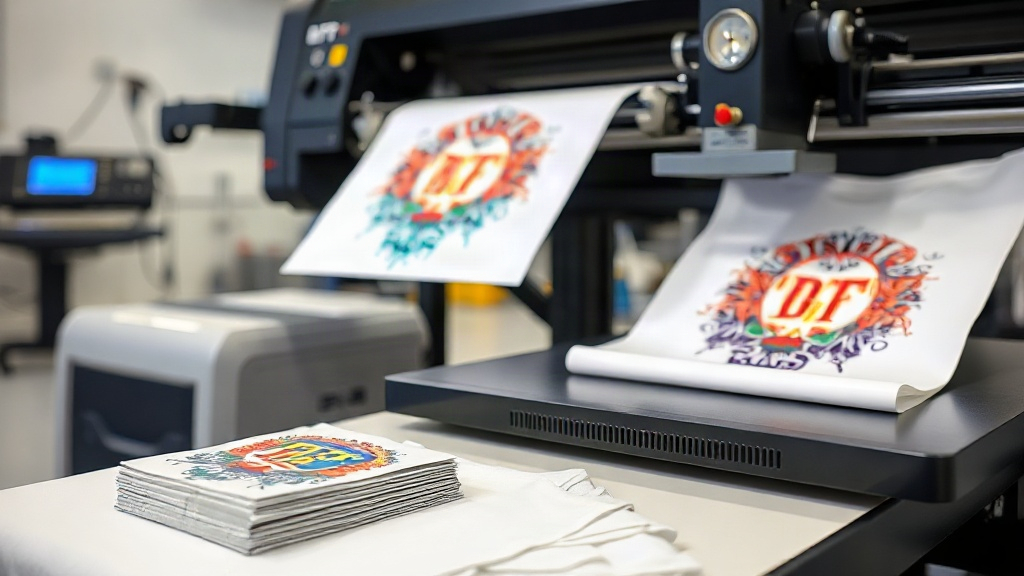
Direct-to-film, commonly known as DTF, is revolutionizing the way custom apparel is decorated. Unlike traditional methods that require specific fabrics or complicated setups, DTF printing offers incredible versatility and vibrant results. If you're new to the world of garment decoration, this guide will walk you through everything you need to know about DTF printing, from the basic process to practical tips for achieving professional-quality transfers. Whether you're a small business owner, a hobbyist, or just curious about the latest printing technology, understanding DTF can open up a world of creative possibilities.
What Exactly Is DTF Printing?
DTF stands for Direct-to-Film. It's a printing method where your design is printed onto a special film using a specialized printer and water-based inks. After printing, a hot-melt adhesive powder is applied to the wet ink, and then the film is cured. The resulting transfer can be stored and later applied to various fabrics using a heat press. The magic of DTF lies in its ability to transfer detailed, multicolored designs onto a wide range of materials, including cotton, polyester, blends, and even some non-textile surfaces. This flexibility sets it apart from other decoration methods like screen printing or vinyl cutting, which often have limitations on fabric type or color complexity.
How Does the DTF Process Work?
The DTF process might sound technical, but it's surprisingly straightforward once you understand the steps. Here's a breakdown of the workflow:
- Design Preparation: Your artwork is prepared digitally, usually with a transparent background or on a white base, depending on the design. The colors are typically printed in CMYK plus white, which allows for vibrant results on both light and dark garments.
- Printing: A DTF printer lays down the ink onto a PET film. The white ink is crucial as it acts as a base, making colors pop on dark fabrics. The printer prints the design in reverse, so when transferred, it reads correctly.
- Powder Application: While the ink is still wet, a hot-melt adhesive powder is sprinkled over the design. The powder sticks to the ink, and excess powder is shaken off. This adhesive will bond the design to the fabric during heat pressing.
- Curing: The film with the powdered design is then cured, usually in a heat oven or with a heat press, to melt the powder and set the ink. This step is critical for durability and washability.
- Transfer: Once cured, the transfer is ready to be applied. You place the film on the garment with the design facing up, and press it with a heat press at a specific temperature and pressure for a set time. After pressing, you peel off the film (hot or cold peel, depending on the film type), leaving the design bonded to the fabric.
Each step requires attention to detail, but the learning curve is manageable. With practice, you can produce transfers that rival those from commercial shops.
Why Choose DTF Over Other Printing Methods?
There are several compelling reasons why DTF printing has gained immense popularity:
- Fabric Versatility: Unlike DTG (Direct-to-Garment) which works best on 100% cotton, or vinyl which can be tricky on certain blends, DTF adheres well to cotton, polyester, nylon, leather, and more. This means you can decorate a wide range of products without switching methods.
- No Weeding or Cutting: With vinyl, you have to cut and weed the design, which is time-consuming and limits complexity. DTF requires no weeding; the printer does all the work. This saves hours of labor and allows for intricate designs with fine details.
- Vibrant Colors on Dark Fabrics: Because of the white ink base, DTF transfers show bright, opaque colors even on black or navy garments. Other methods might require multiple layers or special inks to achieve the same effect.
- Cost-Effective for Small Runs: Screen printing is cost-effective for large orders but expensive for small batches due to setup costs. DTF has no setup fees, making it ideal for one-off items or small orders.
- Durability: When applied correctly, DTF transfers are durable and can withstand repeated washing without fading or cracking. They stretch with the fabric, reducing the risk of cracking.
These advantages make DTF a go-to choice for custom t-shirts, tote bags, hats, and more.
Getting Started with DTF Printing
If you're ready to dive into DTF, here are the essentials you'll need and some tips to set yourself up for success.
Equipment and Supplies
- DTF Printer: You can buy a dedicated DTF printer or convert an existing inkjet printer with a DTF kit. Dedicated printers are recommended for consistent results.
- DTF Inks: Use high-quality DTF inks, including CMYK and white. Cheap inks can clog printheads and produce poor results.
- PET Film: Choose film designed for DTF. It comes in sheets or rolls, and you'll need to match the film to your printer type (e.g., for roll-to-roll or sheet-fed).
- Hot-Melt Adhesive Powder: This powder is essential for bonding. It comes in different particle sizes; finer powder is better for detailed designs.
- Heat Press: A heat press is necessary for both curing the powder and applying the transfer. You'll need one with adjustable temperature, pressure, and timer.
- Curing Oven (Optional): For larger operations, a curing oven can speed up the powder melting process, but a heat press can also be used.
Tips for Flawless DTF Transfers
- Maintain Your Printer: DTF printers require regular maintenance to prevent clogged nozzles. Run daily prints or cleaning cycles as recommended by the manufacturer.
- Control Humidity: DTF inks and powder are sensitive to humidity. Keep your workspace at around 50-60% relative humidity to avoid issues with powder sticking or ink drying.
- Test Your Settings: Every heat press and film combination behaves differently. Always do a test press on a scrap garment to dial in the perfect temperature, pressure, and time.
- Use Quality Blanks: The fabric you press onto matters. Smooth, tightly woven fabrics yield the best results. Pre-press the garment to remove moisture and wrinkles.
- Store Transfers Properly: If you're not using transfers immediately, store them in a cool, dry place away from direct sunlight. They can last for months if stored correctly.
With these tips, you'll be well on your way to producing professional-grade DTF transfers.
Common Applications of DTF Printing
DTF printing is used across various industries and personal projects. Here are some popular applications:
- Custom T-Shirts: From band merch to team uniforms, DTF allows for full-color designs on any color shirt.
- Activewear: Because the transfers stretch with the fabric, they're great for leggings, sports jerseys, and performance wear.
- Accessories: Tote bags, backpacks, and hats can be decorated with DTF transfers, adding a personalized touch.
- Promotional Items: Small businesses use DTF for branded apparel and giveaways, as it's cost-effective for small batches.
- Home Decor: You can even apply DTF transfers to pillow covers, aprons, and other fabric items.
The possibilities are vast, limited only by your creativity.
Frequently Asked Questions About DTF Printing
Is DTF printing better than DTG?
It depends on your needs. DTF excels on dark and synthetic fabrics, while DTG is often preferred for 100% cotton and a softer feel. DTF also doesn't require pre-treatment, which can be a time-saver.
How long do DTF transfers last?
When applied correctly and cared for properly (washing inside out, avoiding high heat), DTF transfers can last as long as the garment itself. They are known for their durability and resistance to cracking.
Can I use DTF on 100% polyester?
Yes, DTF works well on polyester. However, you may need to adjust heat press settings to avoid scorching or dye migration. Using a lower temperature and a cover sheet can help.
Do I need a special printer for DTF?
You can convert an existing inkjet printer with a DTF conversion kit, but dedicated DTF printers are designed for the process and often yield better reliability and results. They handle white ink circulation better.
What is the best way to store DTF transfers?
Store them flat in a cool, dry place, away from direct sunlight and moisture. You can keep them in a sealed bag or container to prevent dust and humidity from affecting the adhesive powder.
Final Thoughts
DTF printing is a versatile and accessible method for creating high-quality custom apparel. Whether you're just starting out or looking to expand your decoration options, DTF offers a blend of flexibility, durability, and vibrant color that's hard to beat. With the right equipment and a bit of practice, you can produce transfers that impress customers and bring your creative ideas to life. So why not give DTF a try? Your next custom project could be your best one yet.