
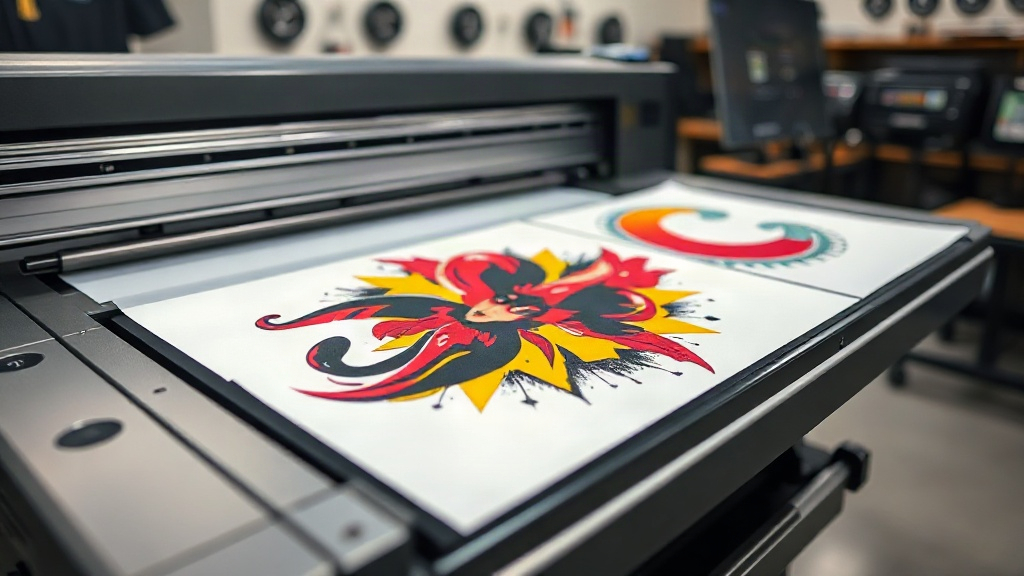
If you've been exploring custom apparel printing, you've likely encountered DTF printing. Short for Direct-to-Film, this technology has quickly become a favorite among hobbyists and professionals alike for its versatility and vibrant results. Unlike traditional methods that require specific fabrics or extensive setup, DTF printing opens up a world of possibilities for creating custom t-shirts, hoodies, tote bags, and more. In this guide, we'll walk you through everything you need to know to get started with DTF printing, from the basic process to practical tips for stunning outcomes.
What is DTF Printing?
DTF printing stands for Direct-to-Film. It's a digital printing method where your design is printed onto a special film, coated with a adhesive powder, and then heat-pressed onto the fabric. The result is a durable, stretchable print that bonds well to a variety of materials, including cotton, polyester, blends, and even some non-fabric items like canvas and leather. Because the design is printed on film first, you're not limited by the color of the garment or the need for pre-treatment, which makes DTF a game-changer for small businesses and DIY enthusiasts.
How Does DTF Printing Work?
The DTF process involves several steps, each crucial to achieving a professional finish. Here's a breakdown of the workflow:
- Design Preparation: Create your artwork using graphic software. Ensure it's mirrored (flipped horizontally) because the film will be transferred face-down. Use vibrant colors and avoid very fine details that might get lost.
- Printing: Load the DTF film into a compatible printer (often a modified inkjet or dedicated DTF printer). The printer lays down a layer of white ink first (if needed), followed by cyan, magenta, yellow, and black (CMYK) inks. Some setups also use additional colors for expanded gamut.
- Powder Application: While the ink is still wet, the film passes through a powder shaker that applies a thermoplastic adhesive powder evenly. Excess powder is removed.
- Curing: The film goes through a heat source (like a heat press or oven) to melt the powder, creating a solid, raised layer that will bond to the fabric.
- Transfer: Once cured, the film is placed onto the garment and heat-pressed. The adhesive melts, fusing the design to the fabric. After cooling, the film is peeled away, leaving the vibrant print behind.
Each step requires attention to detail, but with practice, the process becomes second nature.
Why Choose DTF Printing?
DTF printing offers several advantages that make it stand out:
- Versatility: Works on almost any fabric, including dark and light colors, without needing multiple screens or plates.
- Durability: Prints are stretchable, crack-resistant, and withstand repeated washing when applied correctly.
- Cost-Effective for Short Runs: No minimum order quantity, making it ideal for small batches or one-off custom items.
- Vibrant Colors: The white ink base allows for bright, opaque colors on any background.
- Easy to Learn: With a modest setup, you can start producing professional-quality prints from home.
These benefits have made DTF a popular choice for entrepreneurs selling custom merchandise, sports teams, and event organizers.
Getting Started with DTF Printing
Ready to dive in? Here's what you'll need:
- Printer: A DTF printer or a converted inkjet printer with DTF inks and film. Dedicated DTF printers offer better reliability and color output.
- DTF Film: Available in rolls or sheets, both cold and hot peel varieties. Cold peel is often preferred for beginners.
- Adhesive Powder: Thermoplastic powder specifically for DTF.
- Heat Press: A quality heat press with accurate temperature and pressure control.
- Design Software: Adobe Photoshop, Illustrator, or free alternatives like GIMP or Inkscape.
- Supplies: Heat-resistant tape, scissors, and a well-ventilated workspace.
Start with a small setup to learn the ropes before scaling up. Many suppliers offer starter kits that include everything you need.
Step-by-Step: Your First DTF Print
- Create or download a design. Mirror it horizontally.
- Print the design onto DTF film using your printer. Ensure the film is loaded correctly.
- Apply adhesive powder evenly over the wet ink. Shake off excess.
- Cure the film according to powder manufacturer instructions, typically at 160-170°C for 2-3 minutes.
- Preheat your heat press to 160-170°C. Place the garment on the press.
- Position the cured film onto the garment, adhesive side down. Cover with a Teflon sheet or parchment paper.
- Press for 15-20 seconds with medium pressure.
- Remove the garment and let it cool. Peel the film off slowly. If using hot peel, peel immediately.
- For best durability, do a second press for 5-10 seconds after peeling.
Practice on scrap fabric to perfect your technique.
Common Challenges and How to Overcome Them
Like any craft, DTF printing has its quirks. Here are a few common issues and solutions:
- Faded or Dull Prints: Ensure your printer is using the correct ICC profile and that the white ink layer is sufficient. Shake ink cartridges before printing.
- Powder Not Sticking: Work in a low-humidity environment. Humidity can cause powder to clump or not adhere properly.
- Peeling or Cracking: This often results from insufficient pressure or temperature during transfer. Adjust your heat press settings and ensure even pressure.
- Film Jams: Use high-quality film and check printer settings for film thickness.
With a bit of troubleshooting, you'll quickly master these challenges.
DTF vs. Other Printing Methods
How does DTF stack up against other popular techniques?
- DTG (Direct-to-Garment): DTG is great for 100% cotton but requires pre-treatment and can be less vibrant on dark shirts. DTF works on more fabrics and doesn't need pre-treatment.
- Screen Printing: Screen printing is cost-effective for large orders but has setup costs and limited colors per screen. DTF excels in short runs and full-color designs.
- Vinyl (HTV): HTV is simple for single-color designs but can't handle complex gradients. DTF handles intricate details and photos.
- Sublimation: Sublimation only works on polyester and light-colored fabrics. DTF adheres to cotton and dark colors.
Each method has its place, but DTF offers a unique blend of flexibility and quality.
Tips for Success
- Invest in Quality Supplies: Cheaper film or powder can lead to inconsistent results. Stick with reputable brands.
- Maintain Your Printer: Regular cleaning and maintenance prevent clogged nozzles and ensure smooth printing.
- Experiment with Fabrics: Test on different materials to understand how DTF performs. Some fabrics may require adjusted settings.
- Store Film Properly: Keep film in a cool, dry place to prevent moisture damage.
- Join Communities: Online forums and social media groups are invaluable for troubleshooting and inspiration.
These practices will save you time and frustration as you grow.
Frequently Asked Questions
What fabrics can I use with DTF printing?
DTF printing works on a wide range of fabrics, including cotton, polyester, blends, and even leather and canvas. It's particularly effective on dark and light colors alike.
How durable is a DTF print?
When applied correctly, DTF prints are highly durable. They can stretch with the fabric without cracking and withstand multiple washes. Always follow care instructions: wash inside out in cold water and avoid bleach.
Do I need a special printer for DTF?
You can use a dedicated DTF printer or convert a standard inkjet printer with DTF inks and film. Dedicated printers are recommended for consistent results and less maintenance.
How do I remove a DTF print if I make a mistake?
If you catch it before cooling, you can often peel it off. Once cooled, use a heat press to reheat the print and peel it away. Some adhesive residue may remain, which can be cleaned with a specialized remover.
Is DTF printing cost-effective for small businesses?
Yes, DTF printing has low startup costs and no minimum order requirements, making it ideal for small businesses and side hustles. The cost per print decreases as you scale.
Final Thoughts
DTF printing is a versatile and accessible method for creating custom apparel that stands out. Whether you're a hobbyist looking to personalize gifts or an entrepreneur launching a clothing line, DTF offers the quality and flexibility you need. With the right equipment and a bit of practice, you'll be producing vibrant, long-lasting prints in no time. So why wait? Gather your supplies, fire up your printer, and let your creativity flow.