
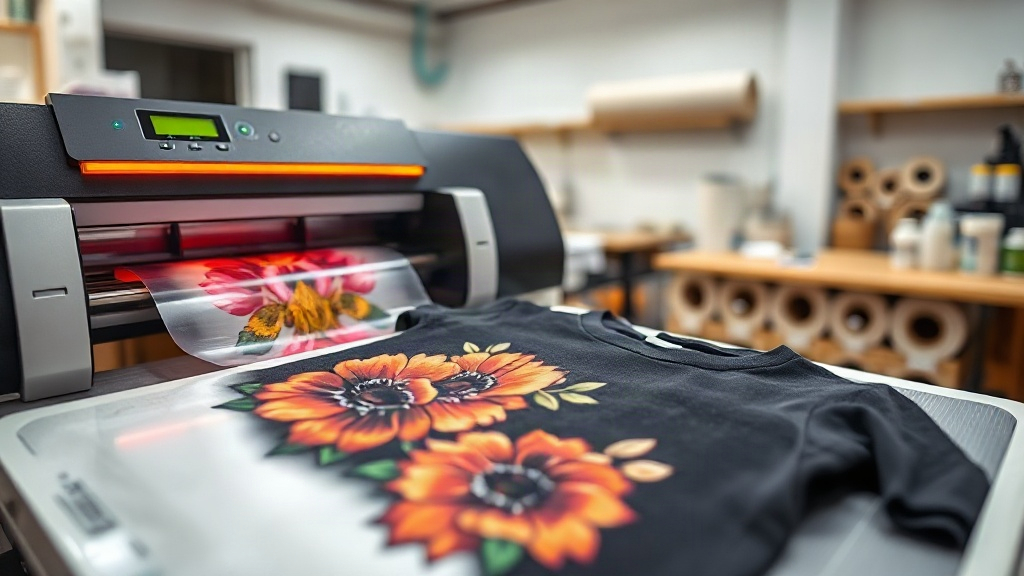
When you first hear about DTF printing, it might sound like just another industry acronym. But for anyone in the print-on-demand (POD) business, DTF (Direct to Film) is quickly becoming a game-changer. Unlike traditional methods that require specific fabrics or minimum orders, DTF opens up a world of possibilities for creating vibrant, long-lasting designs on almost any material. Whether you're a seasoned POD seller or just starting out, understanding DTF printing can give you a competitive edge.
What Exactly Is DTF Printing?
DTF printing is a digital printing technology where your design is printed onto a special film, coated with a powdered adhesive, and then heat-pressed onto the fabric. The process eliminates the need for pre-treatment or weeding, making it faster and more versatile than other methods. The result is a soft, stretchable print that adheres well to cotton, polyester, blends, and even nylon. It's a popular choice for custom t-shirts, hoodies, tote bags, and more.
How Does the DTF Process Work?
The DTF workflow involves several key steps:
- Design Preparation: Your artwork is prepared digitally, often with a white underbase layer for opacity.
- Printing: A specialized DTF printer prints the design onto a PET film using CMYK and white inks.
- Powder Application: While the ink is still wet, a hot-melt adhesive powder is applied and shaken off.
- Curing: The film is heated to melt the powder, creating a transferable layer.
- Heat Press: The film is placed on the garment and pressed with a heat press to transfer the design.
- Peeling: After cooling, the film is peeled away, leaving the design bonded to the fabric.
This process is efficient and allows for high-detail prints without the limitations of screen printing or vinyl cutting.
Why DTF Printing Is a Game-Changer for Print on Demand
If you're running a POD business, you know the challenges: managing inventory, dealing with minimum orders, and ensuring quality. DTF printing addresses these pain points head-on. Here's why it's gaining traction:
- No Minimums: You can print one-off designs without setup costs, perfect for personalized products.
- Fabric Versatility: Works on cotton, polyester, blends, and even dark colors without needing multiple screen setups.
- Vibrant Colors: The white underbase ensures colors pop on any background, including black.
- Durability: Prints resist cracking, fading, and peeling even after multiple washes.
- Cost-Effective: Low startup costs and per-unit pricing make it accessible for small businesses.
These benefits make DTF an ideal choice for entrepreneurs who want to offer custom apparel without the overhead of traditional printing methods.
DTF vs. Other Printing Methods
How does DTF stack up against DTG (Direct to Garment) and screen printing?
- DTG: Best for 100% cotton and light colors; requires pre-treatment; can be slow and costly for dark garments.
- Screen Printing: Cost-effective for large orders but has setup fees and limited color options per screen.
- DTF: No pre-treatment, works on various fabrics, and handles complex designs with ease. It's a middle ground that offers flexibility and quality.
For POD sellers, DTF often wins for its versatility and low entry barrier.
Getting Started with DTF Printing
Ready to dive into DTF printing? Here's a step-by-step guide to help you get started.
1. Choose the Right Equipment
You'll need a DTF printer, which can range from desktop models to industrial machines. Popular brands include Epson and Roland, but there are also specialized DTF printers from companies like Mutoh and Mimaki. Consider your budget and production volume. You'll also need a heat press, PET film, and adhesive powder.
2. Master the Software
Use graphic design software like Adobe Photoshop or Illustrator to create your designs. Ensure your files are in CMYK color mode and have a transparent background. Most DTF printers come with RIP software that handles color separation and white layer generation.
3. Perfect Your Heat Press Settings
Each fabric and film may require different settings. Typically, you'll press at 325°F (160°C) for 10-15 seconds with medium pressure. Always test with a sample to avoid scorching or undercuring. Peeling should be done after the transfer cools completely.
4. Source Quality Supplies
Not all films and powders are created equal. Cheaper alternatives may lead to poor adhesion or faded prints. Look for reputable suppliers and read reviews. The quality of your supplies directly impacts the final product.
5. Market Your DTF Services
Once you've mastered the technique, promote your DTF printing services. Highlight the benefits: no minimums, full-color designs, and durability. Use social media to showcase your work and attract customers.
Common Challenges and How to Overcome Them
Like any printing method, DTF has its quirks. Here are some common issues and solutions:
- Ink Cracking: Often caused by undercuring or too much pressure. Adjust your heat press settings and ensure proper curing.
- Poor Adhesion: May result from insufficient powder or incorrect pressing. Use high-quality powder and follow the recommended temperature and time.
- Color Fading: Use good quality inks and store prints properly. Avoid washing with harsh chemicals.
- Film Jamming: Ensure your printer is clean and use the recommended film thickness.
With practice, you'll troubleshoot these issues quickly and consistently produce excellent results.
Frequently Asked Questions About DTF Printing
How long does a DTF print last?
A properly applied DTF print can last as long as the garment itself, often 50+ washes without significant fading or cracking. Following care instructions like washing inside out in cold water and avoiding harsh detergents will extend its life.
Can I use DTF on any fabric?
DTF works best on cotton, polyester, and blends. It can also be applied to nylon and leather, but adhesion may vary. Always test on a small area first.
Is DTF printing cost-effective for small orders?
Absolutely. Unlike screen printing, there are no setup fees, so even a single shirt can be printed affordably. The per-unit cost decreases with larger orders, but it's still viable for one-offs.
What equipment do I need to start DTF printing?
You'll need a DTF printer, heat press, PET film, adhesive powder, and a computer with design software. A well-ventilated workspace is also recommended.
How does DTF compare to DTG in terms of quality?
Both offer high-quality prints, but DTF often produces more vibrant colors on dark fabrics and doesn't require pre-treatment. DTG may be better for very fine details on cotton, but DTF is more versatile overall.
Final Thoughts
DTF printing is revolutionizing the custom apparel industry, especially for print-on-demand businesses. Its flexibility, durability, and cost-effectiveness make it an attractive option for entrepreneurs looking to offer high-quality custom products without heavy investments. By understanding the process, investing in the right equipment, and mastering the techniques, you can tap into this growing market and set your business apart. So why wait? Start exploring DTF printing today and unleash your creativity.