
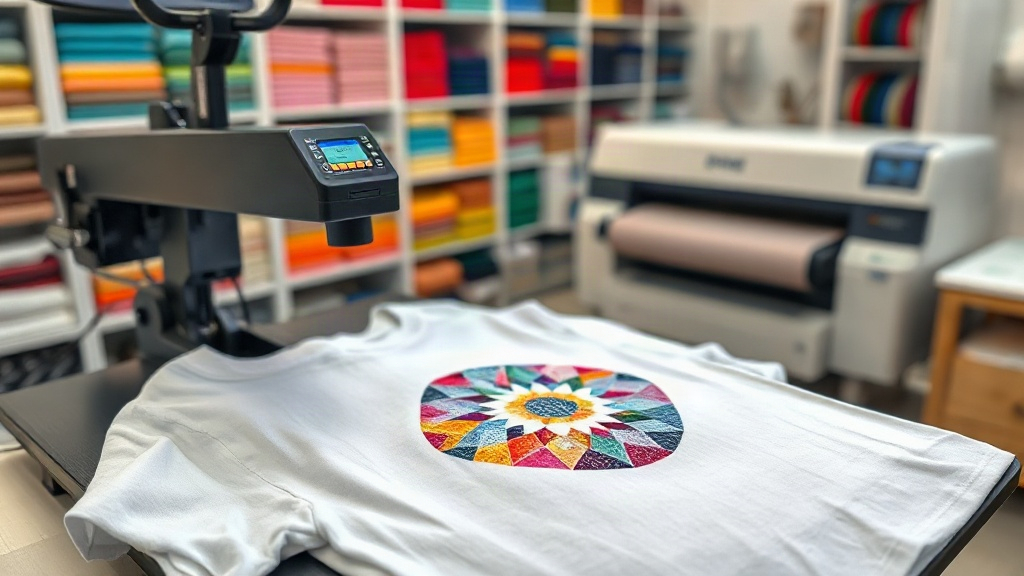
Imagine pressing a vibrant, full-color design onto a cotton t-shirt without the hassle of weeding or the limitations of vinyl. That's the promise of DTF transfers, a digital printing technology that's rapidly become a favorite for small business owners, crafters, and apparel decorators. Unlike traditional screen printing or heat transfer vinyl, DTF transfers offer unmatched versatility and simplicity, allowing you to produce detailed, photographic-quality images on a wide range of fabrics. In this guide, we'll walk you through everything you need to know about DTF transfers, from the basics of the process to expert tips for flawless application.
What Are DTF Transfers?
DTF stands for Direct to Film. It's a printing method where your design is printed onto a special PET film using water-based inks, then coated with a thermoplastic adhesive powder. Once the powder is cured, the transfer is ready to be applied to fabric using a heat press. The result is a soft, stretchable, and durable print that bonds permanently to the material.
What sets DTF apart is its ability to print on almost any fabric, including cotton, polyester, blends, and even treated nylon. No pre-treatment is required for most materials, and you don't need to worry about color limitations or complex color separations. Whether you're printing a single custom shirt or a batch of 50, DTF transfers deliver consistent, high-quality results.
How DTF Transfers Work: Step by Step
Understanding the DTF process helps you appreciate why it's so effective. Here's a breakdown of each stage:
1. Design Preparation
Start with a high-resolution image. DTF printers can handle intricate details and gradients, so don't shy away from complex artwork. However, ensure your design has a transparent background or is prepared with the appropriate color profile. Most DTF printers use CMYK plus white ink, so your design should be in CMYK mode for accurate color reproduction.
2. Printing
The printer lays down a layer of white ink first, followed by the color layers. This white base is crucial for opacity, especially on dark fabrics. The film is then dusted with adhesive powder, which is melted into the ink using a curing oven or heat press. The powder creates a bond that activates during the final heat application.
3. Curing
Curing is a critical step. The powder must melt and form a smooth, even layer. Under-curing leads to poor adhesion and washability, while over-curing can cause the transfer to become brittle. Follow your powder and film manufacturer's recommendations for temperature and time.
4. Application
Once cured, the transfer is ready to be applied. Set your heat press to the recommended temperature (usually 300-325°F) and pressure (medium to firm). Place the transfer on the garment, cover with a protective sheet, and press for 10-15 seconds. After pressing, peel the film while it's hot or cold, depending on the film type. Most DTF films are hot peel, meaning you remove the film immediately after pressing while it's still warm.
Why Choose DTF Transfers?
DTF transfers have several advantages over other decoration methods:
- No weeding or masking: Unlike vinyl, there's no tedious cutting and weeding. Just print, powder, cure, and press.
- Unlimited colors: Print full-color images without worrying about color separation or screen setup costs.
- Fabric versatility: Works on cotton, polyester, blends, and more. No need for different transfer types.
- Durability: Properly applied DTF transfers withstand repeated washing without cracking or fading.
- Cost-effective for short runs: No minimum order quantities, making it ideal for small businesses and personalized items.
Common Mistakes and How to Avoid Them
Even though DTF is user-friendly, a few pitfalls can ruin your results. Here's what to watch out for:
Insufficient Pressure
If the pressure is too low, the transfer won't adhere properly, leading to peeling. Adjust your heat press to medium-firm pressure and test with a scrap piece.
Wrong Temperature
Too hot and the transfer may scorch or become glossy; too cold and the adhesive won't activate. Invest in an infrared thermometer to verify your press's actual temperature.
Improper Peeling
Peeling too soon or too late can cause the design to lift or leave residue. Know whether your film is hot peel or cold peel and follow the instructions.
Not Pre-Pressing the Garment
Always pre-press the garment for a few seconds to remove moisture and wrinkles. This ensures a smooth surface for the transfer.
DTF vs. Other Transfer Methods
How does DTF stack up against vinyl, screen printing, and DTG?
- DTF vs. HTV: HTV requires weeding and is limited to solid colors. DTF handles complex designs and works on more fabrics.
- DTF vs. Screen Printing: Screen printing is cost-effective for large orders but requires setup and color separation. DTF is better for short runs and detailed designs.
- DTF vs. DTG: DTG prints directly onto fabric, often requiring pre-treatment and works best on 100% cotton. DTF works on more materials and often has a softer feel.
Choosing the Right DTF Supplies
Quality supplies make a difference. Look for DTF film that's compatible with your printer, and use high-quality adhesive powder. The powder's particle size affects the feel and durability. Fine powder gives a softer hand, while coarser powder may be more durable. Also, consider the ink: water-based DTF inks are eco-friendly and produce vibrant colors.
Frequently Asked Questions
How long do DTF transfers last?
With proper application and care, DTF transfers can last as long as the garment. They withstand 50+ washes when applied correctly and washed inside out in cold water.
Can I use DTF transfers on dark colors?
Yes, DTF transfers include a white ink base that makes colors pop on dark fabrics. The white layer ensures opacity without needing multiple layers.
Do I need a special printer for DTF?
You can convert a standard inkjet printer to DTF using DTF inks and film, but dedicated DTF printers are recommended for best results. They handle the white ink and powder application more efficiently.
What fabrics work best with DTF?
DTF works on cotton, polyester, blends, and even some nylons. It's not recommended for fabrics with a heavy texture or those that can't withstand heat.
How do I store DTF transfers?
Store them in a cool, dry place away from direct sunlight. Keep them flat or rolled, and use them within a few weeks for optimal performance.
DTF transfers are a game-changer for anyone looking to add custom designs to apparel. With a bit of practice and the right supplies, you can achieve professional results right from your workshop. Whether you're starting a clothing line or just making gifts for friends, DTF offers flexibility, durability, and vibrant colors that are hard to beat.