
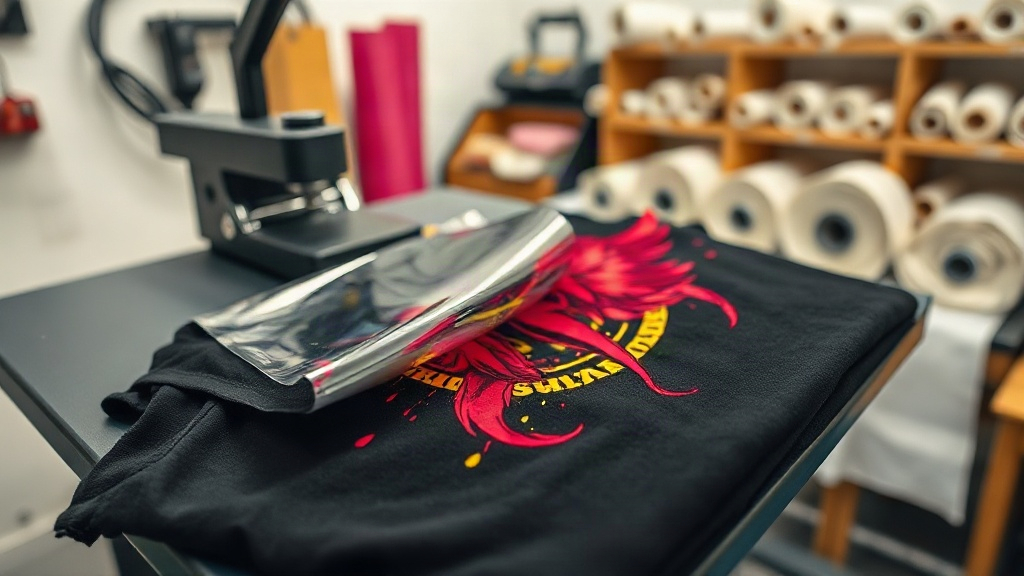
When you want to create custom apparel that stands out, the printing method you choose makes all the difference. Enter DTF transfers, a game-changing technology that has taken the garment decoration world by storm. Unlike traditional methods that limit you to certain fabrics or require complex setups, DTF transfers deliver stunning, full-color designs on virtually any material. In this guide, we'll walk you through everything you need to know about DTF transfers, from the science behind them to practical tips that ensure professional results every time.
What Are DTF Transfers?
DTF stands for Direct to Film. It's a printing process where your design is printed onto a special PET film using water-based inks, then coated with a hot-melt adhesive powder. Once the powder is cured, the transfer is ready to be applied to a garment using a heat press. The magic happens when heat and pressure release the design from the film, bonding it permanently to the fabric.
What sets DTF apart from other methods like screen printing or vinyl is its incredible versatility. You can print intricate details, gradients, and photographic images without worrying about color limitations or fabric restrictions. Whether you're working with cotton, polyester, blends, or even leather, DTF transfers adhere beautifully.
Why Choose DTF Transfers Over Other Printing Methods?
If you're in the custom apparel business, you've likely tried your fair share of decoration techniques. Here's why DTF transfers often come out on top:
- No color limits: Unlike screen printing, which requires a separate screen for each color, DTF prints full-color designs in one go. This makes it perfect for complex artwork.
- Fabric freedom: DTF works on almost any fabric, including 100% cotton, polyester, nylon, and blends. You're not restricted to cotton like with DTG (direct-to-garment) printing.
- Durability: When applied correctly, DTF transfers withstand repeated washing without cracking, peeling, or fading. The prints remain vibrant for years.
- Cost-effective for short runs: Setting up screen printing for a small batch can be expensive. DTF transfers are economical even for one-off items, making them ideal for small businesses and personalization.
- Soft feel: Advancements in adhesive powders and inks mean DTF prints have a soft hand feel, unlike the thick, plastic-like texture of some heat transfers.
The DTF Transfer Process Step by Step
Understanding how DTF transfers are made and applied helps you troubleshoot issues and achieve consistent results. Here's a breakdown of the process:
1. Design Preparation
Start with a high-resolution image. DTF printing captures fine details, so ensure your file is at least 300 DPI. Remember to mirror your design horizontally before printing, as the transfer will be flipped when applied.
2. Printing
Using a DTF printer, the design is printed onto a PET film. White ink is typically printed as a base layer, followed by CMYK colors. This white layer is crucial for opacity on dark fabrics.
3. Powdering
While the ink is still wet, a hot-melt adhesive powder is sprinkled over the print. The excess powder is shaken off, leaving a thin, even layer adhered to the ink.
4. Curing
The film is then heated to melt the powder, creating a smooth, dry surface. This step is critical; under-curing leads to wash-off, while over-curing can cause the transfer to become brittle.
5. Heat Press Application
Finally, the transfer is placed on the garment and pressed with a heat press. Typical settings are 320°F (160°C) for 10-15 seconds with medium pressure. After pressing, peel the film either hot or cold, depending on the film type.
Common Challenges and How to Overcome Them
Even with a straightforward process, issues can arise. Here are some common problems and their solutions:
- Peeling after wash: This usually indicates insufficient pressure, incorrect temperature, or under-curing of the powder. Double-check your heat press settings and ensure even pressure across the platen.
- Dull colors: If your prints look faded, you might be pressing at too high a temperature, which can scorch the ink. Verify the temperature with an infrared thermometer.
- Adhesive residue on film: If the film doesn't peel cleanly, it could be due to insufficient cooling time. Allow the transfer to cool completely before peeling.
- Ghosting: This occurs when the design shifts during pressing. Use heat-resistant tape to secure the transfer before pressing.
Applications of DTF Transfers
DTF transfers are incredibly versatile and used across various industries:
- Custom T-shirts: From business logos to personalized gifts, DTF is a go-to for vibrant, long-lasting tees.
- Sportswear: Team jerseys and athletic wear benefit from DTF's flexibility and durability.
- Denim and jackets: DTF adheres well to denim, allowing for detailed designs on jeans and jackets.
- Promotional products: Tote bags, hats, and even mousepads can be decorated with DTF transfers.
Expert Tips for Flawless DTF Transfers
To ensure your DTF transfers look professional and last, keep these tips in mind:
- Pre-press your garment: This removes moisture and wrinkles, creating a smooth surface for the transfer.
- Use a quality heat press: A reliable press with consistent temperature and pressure is essential. Clamshell presses are popular, but swing-away presses offer even pressure.
- Test your settings: Every fabric and transfer film may require slight adjustments. Always do a test press on a scrap piece before production.
- Store transfers properly: Keep unused transfers in a cool, dry place away from direct sunlight to prevent premature curing.
- Wash inside out: Advise your customers to wash garments inside out in cold water and tumble dry low to extend the life of the print.
Frequently Asked Questions About DTF Transfers
How long do DTF transfers last?
With proper application and care, DTF transfers can last as long as the garment itself. They withstand dozens of washes without fading or cracking when washed inside out in cold water and dried on low heat.
Can I use DTF transfers on dark colors?
Absolutely. DTF transfers include a white ink base layer that makes colors pop on dark fabrics. This is one of the key advantages over DTG printing, which often requires a white underbase that can feel thick.
Do I need a special printer for DTF transfers?
Yes, DTF printing requires a dedicated DTF printer that uses pigment inks and can handle PET film. However, you can also purchase pre-printed DTF transfers from suppliers and apply them with just a heat press.
What fabrics work best with DTF transfers?
DTF transfers work on a wide range of fabrics, including cotton, polyester, blends, nylon, and leather. They are particularly popular for poly-cotton blends where other methods struggle.
Is DTF printing cost-effective for small businesses?
Yes, DTF transfers are very cost-effective for short runs and one-off items because there are no setup fees like with screen printing. You only pay for the ink, film, and powder, making it accessible for startups and hobbyists.
Final Thoughts
DTF transfers have democratized custom apparel printing, offering unparalleled versatility and quality. Whether you're a small business owner, a hobbyist, or a large-scale producer, incorporating DTF into your workflow can expand your offerings and delight your customers. With the right equipment, settings, and a bit of practice, you'll be creating stunning, durable prints that stand the test of time. So why wait? Dive into the world of DTF transfers and elevate your custom apparel game today.