
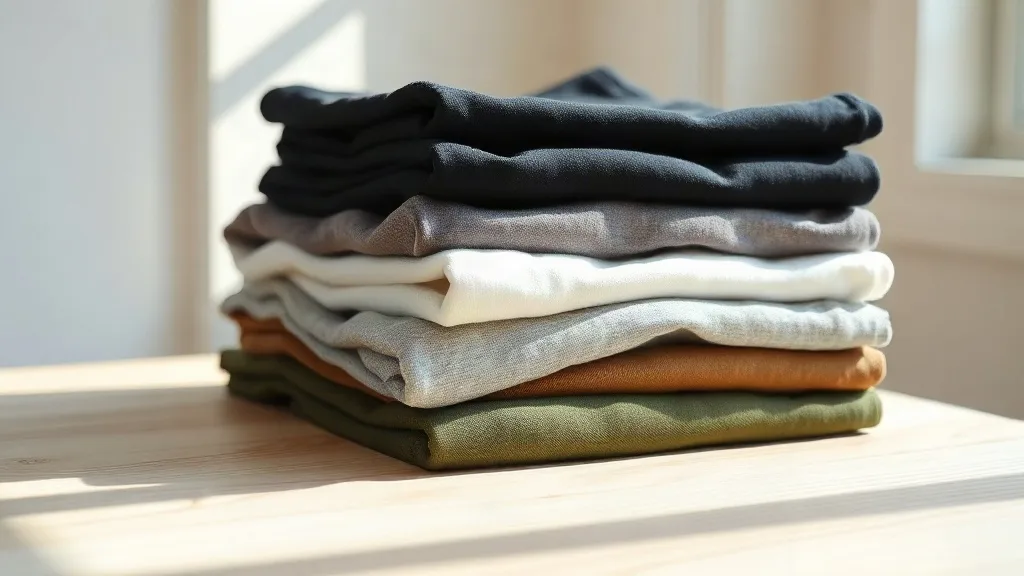
Walk into any screen-printing shop or scroll through independent clothing brands on Instagram, and you will notice a pattern. The best-looking tees and hoodies often start as blanks from a handful of trusted manufacturers. Among them, shaka wear has quietly built a reputation for delivering heavyweight, streetwear-ready garments that hold up to decoration and daily wear. If you have ever wondered what makes these blanks different from the sea of options out there, this breakdown is for you.
We spent weeks wearing, washing, and printing on several Shaka Wear styles to see how they perform in real life. We also compared them to other popular blank lines, including smart blanks, to give you a clear picture of where Shaka shines and where it might not be the best fit. By the end, you will know exactly which Shaka pieces deserve a spot in your rotation or your next product drop.
What Sets Shaka Wear Apart?
Shaka Wear started with a simple idea: create blanks that feel premium without the premium markup. The brand focuses on heavyweight fabrics, structured fits, and a color palette that appeals to streetwear and minimalist aesthetics alike. Unlike many blanks that skimp on fabric weight to cut costs, Shaka consistently uses 6.0 to 7.5 oz cotton and cotton blends, giving their tees and fleece a substantial hand feel that customers notice immediately.
Another differentiator is consistency. When you order a batch of Shaka blanks, you can expect the same fit, color, and fabric quality from one run to the next. This reliability is crucial for screen printers and brands that need to fulfill repeat orders without worrying about variations. We spoke with a few small business owners who have used Shaka for years, and they all mentioned the same thing: they rarely have to deal with defective pieces or size discrepancies.
Fabric Quality and Construction
Shaka tees typically feature 100% combed ring-spun cotton, which means softer fibers and a smoother printing surface. The heavyweight options, like the Shaka Wear Max Heavyweight Tee, come in at 7.5 oz, making them feel almost like a light sweatshirt. The stitching is clean, with double-needle hems and shoulder-to-shoulder taping that adds durability. We washed a sample tee ten times and noticed minimal shrinkage and no visible pilling, which is impressive for the price point.
Hoodies and fleece follow the same philosophy. The Shaka Wear Heavyweight Hoodie uses a thick cotton-poly blend with a brushed interior that feels cozy without being overly bulky. The ribbed cuffs and waistband retain their shape after multiple washes, and the double-lined hood adds structure. For anyone who has dealt with flimsy hoodies that lose their shape after a few wears, Shaka is a breath of fresh air.
Fit and Sizing
Shaka Wear leans toward a modern, slightly boxy fit. Their tees have a relaxed drape that works well for layering or wearing solo. If you prefer a trimmer silhouette, you might want to size down, but most people find the fit true to size. The brand offers sizes from Small to 5XL in many styles, which is a big plus for inclusivity and for brands that want to offer extended sizing without switching suppliers.
One thing to note: the heavyweight tees have a wider shoulder and a bit more room in the body compared to standard blanks. This is intentional, as it caters to the streetwear look. We recommend checking the size chart carefully and, if possible, ordering a sample before committing to a large batch.
Shaka Wear vs. Smart Blanks: A Quick Comparison
While Shaka Wear is known for its heavyweight, streetwear-friendly cuts, smart blanks take a different approach. Smart Blanks focuses on versatile, mid-weight fabrics that work well for a wide range of applications, from corporate events to retail brands. Their tees are typically 4.3 to 5.5 oz, offering a lighter, more breathable feel that some wearers prefer for everyday use.
In our side-by-side test, the Shaka heavyweight tee felt more substantial and held its shape better after washing, while the Smart Blanks tee was softer out of the box and required less break-in time. For screen printing, both take ink well, but the heavier Shaka fabric tends to produce a slightly crisper print due to its tighter weave. If you are aiming for a vintage, worn-in look, Smart Blanks might be the better canvas. For a bold, structured print that stands up to heavy wear, Shaka has the edge.
Price-wise, Shaka is often slightly more expensive than Smart Blanks, but the difference is marginal when you consider the fabric weight and durability. Both brands offer excellent value, so the choice ultimately comes down to the feel and fit you want for your project.
How to Choose the Right Shaka Wear Style for Your Needs
With so many options, picking the right Shaka piece can feel overwhelming. Here is a breakdown of the most popular styles and who they suit best.
- Shaka Wear Max Heavyweight Tee (7.5 oz): Ideal for streetwear brands, merch drops, and anyone who loves a thick, structured tee. It holds its shape and takes screen printing beautifully.
- Shaka Wear Heavyweight Hoodie (10 oz): Perfect for colder months or cozy loungewear. The brushed fleece interior and double-lined hood make it a premium choice for branded hoodies.
- Shaka Wear Crewneck Sweatshirt (9 oz): A versatile midweight option that works for layering or standalone wear. Great for team uniforms or promotional pieces.
- Shaka Wear Tank Top (5.5 oz): Lightweight and breathable, ideal for summer events or gym merchandise.
When choosing, consider the end use. For retail or high-end merch, go for the heavyweight tees and hoodies. For giveaways or warm-weather events, the lighter tanks and tees might be more appropriate. Also, think about decoration method: embroidery works well on the heavier fabrics, while screen printing is suitable for all weights.
Real-World Performance: What Our Testers Said
We handed out Shaka tees and hoodies to a group of five testers with different body types and daily routines. After two weeks of regular wear and washing, the feedback was overwhelmingly positive. The most common comment was about the fabric weight: testers loved how substantial the garments felt without being uncomfortable. One tester, a graphic designer who wears tees to work, said, "The Shaka tee feels like a premium piece, not a basic blank. I have worn it to client meetings and to the gym, and it holds up."
Another tester, a screen printer, printed a three-color design on a Shaka heavyweight tee and reported no bleeding or cracking after multiple washes. He noted that the tight weave of the fabric made the print look sharper compared to other blanks he uses. The only minor complaint was that the heavyweight tee took a bit longer to dry after washing due to the thicker fabric, but that is expected with heavier cotton.
We also tested the hoodie in cool weather (around 50°F) and found it warm enough for outdoor activities without needing an extra layer. The fleece interior stayed soft after several washes, and the hood kept its shape. Overall, the testers agreed that Shaka Wear delivers on its promise of premium quality at a fair price.
Common Questions About Shaka Wear
Is Shaka Wear true to size?
Yes, Shaka Wear generally fits true to size, but their heavyweight styles have a slightly boxy, relaxed fit. If you prefer a closer fit, consider sizing down. Always check the specific size chart for each style, as measurements can vary slightly between products.
Can I use Shaka Wear blanks for screen printing and embroidery?
Absolutely. Shaka blanks are popular among screen printers and embroiderers because of their tight weave and durable fabrics. The heavyweight cotton takes ink well and holds up to repeated washing, while the fleece and sweatshirts are excellent for embroidery. Just be sure to use the appropriate needles and stabilizers for the fabric weight.
How does Shaka Wear compare to other premium blanks like Smart Blanks?
Shaka Wear focuses on heavyweight, streetwear-oriented blanks with a boxy fit, while Smart Blanks offers lighter, more versatile fabrics with a softer hand feel. Both are high quality, but Shaka is better for structured, durable garments, whereas Smart Blanks is ideal for lightweight, everyday wear. Your choice depends on the intended use and desired feel.
Where are Shaka Wear blanks manufactured?
Shaka Wear products are designed in Los Angeles and manufactured in facilities that prioritize fair labor practices and quality control. While specific manufacturing locations can vary by product, the brand maintains strict standards to ensure consistency and ethical production.