
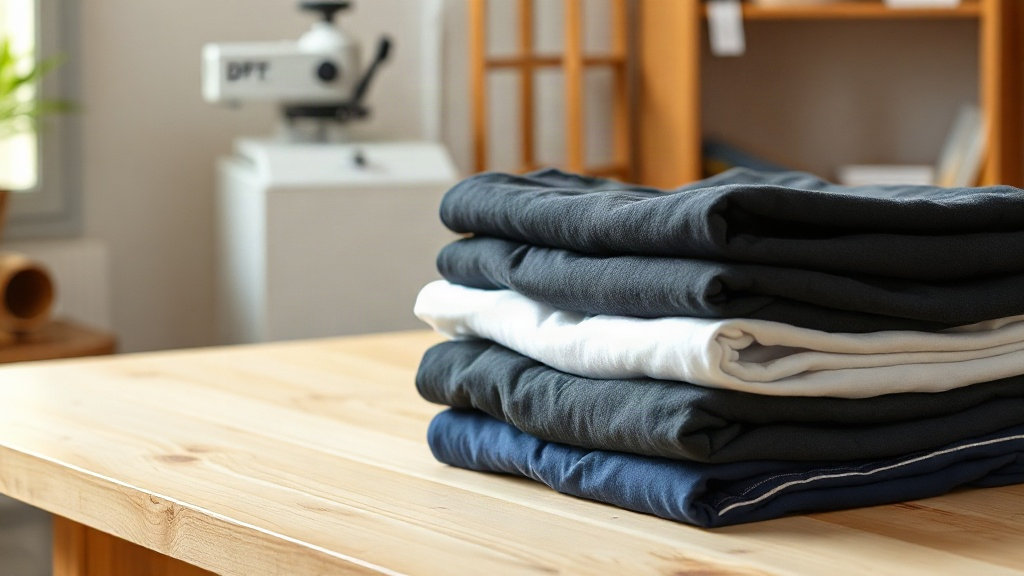
When it comes to creating custom apparel that truly stands out, the foundation matters just as much as the design. Whether you're a screen printer, a boutique owner, or someone passionate about DIY projects, the quality of your blank garments and the printing technique you choose can make or break the final product. In this guide, we'll dive deep into the world of smart blanks, explore why shaka wear has become a go-to choice for many, and uncover the ins and outs of dtf transfers. By the end, you'll have a clear roadmap to producing apparel that not only looks professional but also feels great and lasts.
What Are Smart Blanks and Why Do They Matter?
The term smart blanks refers to high-quality, versatile blank garments that are specifically designed for customization. Unlike ordinary blanks, smart blanks are engineered with the printing process in mind. They often feature tighter weave fabrics, consistent stitching, and superior colorfastness. This means your designs will look crisper, feel softer, and withstand repeated wear and washing.
Why should you care? Because your customers or recipients will notice the difference. A cheap blank can pill, shrink, or fade, ruining even the most stunning print. Smart blanks, on the other hand, provide a canvas that enhances your artwork and ensures a professional finish. They also come in a variety of styles, from classic tees to hoodies and tank tops, giving you flexibility for any project.
When sourcing smart blanks, consider factors like fabric content, weight, and intended use. For example, a 100% cotton tee is breathable and ideal for everyday wear, while a cotton-poly blend offers durability and reduced shrinkage. Ringspun cotton is softer and smoother, making it perfect for retail-quality apparel. By choosing the right blank, you set the stage for a successful customization journey.
Shaka Wear: A Leader in Premium Blank Apparel
If you've been in the custom apparel industry for any length of time, you've likely heard of shaka wear. This brand has earned a stellar reputation for producing high-quality blanks that cater to both streetwear enthusiasts and professional printers. What sets Shaka Wear apart is their commitment to consistency and comfort.
Shaka Wear garments are known for their heavyweight fabrics, relaxed fits, and durable construction. Their tees, for instance, often weigh 6.0 oz or more, giving them a substantial feel that customers love. The brand also offers a wide range of colors, from classic neutrals to trendy hues, ensuring you can match any design aesthetic.
But why choose Shaka Wear over other brands? It comes down to reliability. When you order Shaka Wear blanks, you know exactly what you're getting: a product that holds up well under various printing methods, including screen printing, embroidery, and dtf transfers. Their consistent sizing and minimal shrinkage mean your final products will fit as expected, reducing returns and boosting customer satisfaction.
For businesses looking to build a loyal following, offering Shaka Wear apparel can be a differentiator. Customers appreciate the quality and often seek out brands that use these blanks. So, if you're aiming to elevate your product line, incorporating Shaka Wear into your offerings is a smart move.
DTF Transfers: A Game-Changer for Customization
Now that we've covered the canvas, let's talk about the paint. Direct-to-film (DTF) transfers have revolutionized the way we customize apparel. Unlike traditional screen printing or vinyl, DTF transfers allow for full-color, highly detailed designs without the need for multiple screens or weeding. This makes them perfect for small batches, complex artwork, and even photo-realistic images.
The process involves printing your design onto a special film using pigment inks, then applying a adhesive powder and heat-pressing it onto the garment. The result is a vibrant, durable print that stretches with the fabric and feels soft to the touch. DTF transfers work on a wide range of materials, including cotton, polyester, and blends, making them incredibly versatile.
One of the biggest advantages of DTF transfers is their cost-effectiveness for short runs. Setting up screens for screen printing can be expensive and time-consuming, especially for multi-color designs. With DTF, you can print one-off designs or small batches without breaking the bank. Plus, the ability to gang multiple designs on a single film reduces waste and speeds up production.
However, to get the best results with DTF transfers, you need to pair them with quality blanks. That's where smart blanks and Shaka Wear come in. A smooth, tightly woven fabric provides an ideal surface for the transfer to adhere to, ensuring a smooth finish and long-lasting durability. Cheaper blanks with loose weaves or uneven surfaces can cause the transfer to crack or peel prematurely.
How to Choose the Right Blanks for DTF Transfers
Not all blanks are created equal when it comes to DTF transfers. Here are key factors to consider:
- Fabric Content: 100% cotton and cotton-poly blends work best. Avoid high-polyester fabrics unless they are specifically treated for DTF, as the transfer may not adhere properly.
- Fabric Weight: Medium to heavyweight fabrics (5.5 oz and up) provide a better surface for the transfer and hold up well to the heat press.
- Weave and Texture: Smooth, tight weaves are ideal. Rough or highly textured fabrics can cause the transfer to look uneven.
- Color: Light-colored blanks allow the colors of your design to pop. For dark blanks, ensure your DTF transfer includes a white underbase for opacity.
- Pre-treatment: Some blanks come with a pre-treatment that can affect adhesion. Always test a sample before full production.
When in doubt, consult the blank manufacturer's guidelines or do a test press. Smart blanks often come with recommendations for printing methods, so you can be confident in your choice.
Maximizing Durability: Tips for Long-Lasting Prints
You've selected your smart blanks, chosen Shaka Wear for quality, and mastered DTF transfers. Now, how do you ensure your prints last? Here are some practical tips:
- Follow the Heat Press Settings: Each DTF film and blank combination may require specific temperature, pressure, and time. Always adhere to the manufacturer's recommendations.
- Use a Quality Heat Press: Consistent pressure and even heat distribution are crucial. A clamshell or swing-away press with digital controls is ideal.
- Pre-press the Garment: This removes moisture and wrinkles, creating a smooth surface for the transfer.
- Post-press Care: After applying the transfer, wait 24 hours before washing. Turn the garment inside out and wash in cold water. Avoid fabric softeners and dry on low heat.
- Store Properly: Keep unused DTF transfers in a cool, dry place away from direct sunlight to prevent premature curing.
By following these steps, you'll extend the life of your prints and keep your customers happy.
Common Mistakes to Avoid with Smart Blanks and DTF
Even experienced printers can slip up. Here are pitfalls to watch for:
- Using the Wrong Blanks: Not all blanks are DTF-friendly. Always check compatibility. Smart blanks are formulated for optimal results.
- Incorrect Heat Press Settings: Too hot or too cold can ruin the transfer. Invest in a heat gun or infrared thermometer to verify temperature.
- Rushing the Process: Skipping pre-press or post-press steps can lead to poor adhesion.
- Ignoring Fabric Shrinkage: Some blanks shrink after washing. Pre-shrink or choose blanks with minimal shrinkage like Shaka Wear.
- Overstretching the Transfer: When applying to stretchy fabrics, use a stretchable DTF film or blend to prevent cracking.
Avoiding these mistakes will save you time, money, and frustration.
Frequently Asked Questions
What exactly are smart blanks, and how are they different from regular blanks?
Smart blanks are premium blank garments designed specifically for customization. They differ from regular blanks in their fabric quality, construction, and consistency. Smart blanks often feature ringspun cotton, tighter weaves, and pre-shrunk fabrics, which result in better print adhesion, softer feel, and longer durability. They are optimized for various printing methods, including DTF transfers, screen printing, and embroidery.
Can I use DTF transfers on any Shaka Wear garment?
Yes, Shaka Wear garments are generally compatible with DTF transfers due to their high-quality fabrics and smooth surfaces. However, always check the specific garment's fabric content and weight. For best results, follow the DTF transfer manufacturer's guidelines and do a test press on a sample before full production.
How do I ensure my DTF transfers don't peel after washing?
To prevent peeling, ensure proper application: pre-press the garment, use the correct temperature and pressure, and allow the transfer to cool completely before removing the film. Post-press, wait 24 hours before washing, turn the garment inside out, and wash in cold water. Avoid bleach and fabric softeners, and tumble dry on low.
Are smart blanks more expensive than regular blanks?
Smart blanks typically cost slightly more than basic blanks, but the difference is often negligible when you consider the superior quality and reduced waste. The enhanced durability and print performance can lead to higher customer satisfaction and fewer returns, making them a cost-effective choice in the long run.
Where can I buy smart blanks and Shaka Wear products?
You can find smart blanks and Shaka Wear products at reputable online retailers and wholesale distributors. Look for suppliers that specialize in blank apparel for customization, as they often carry a curated selection and provide helpful resources. Always verify the authenticity of the brand to ensure you're getting genuine products.