
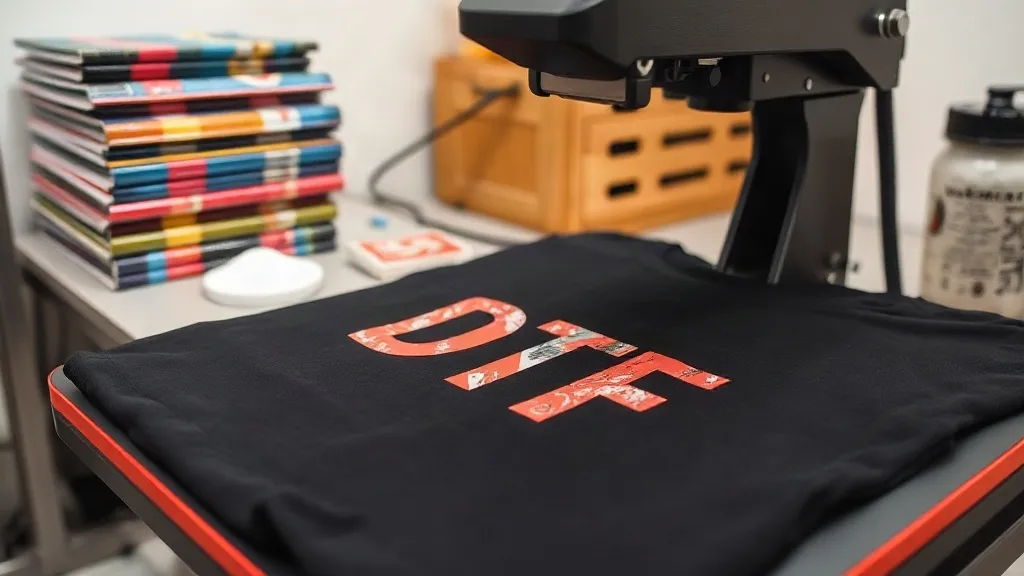
When it comes to custom apparel, the printing method you choose can make or break the final product. Among the many options available today, dtf transfers have emerged as a game-changer for both small businesses and large production houses. Unlike traditional screen printing or vinyl cutting, DTF (Direct to Film) printing offers unparalleled versatility, allowing you to print full-color designs on a wide range of fabrics with remarkable detail and durability. In this guide, we'll dive deep into what DTF transfers are, how they work, and why they might be the perfect fit for your next custom apparel project.
What Are DTF Transfers?
DTF stands for Direct to Film. It's a printing technology where your design is printed onto a special film, then coated with a powder adhesive and heat-pressed onto fabric. The process begins with digitally printing your artwork onto a PET film using specialized dtf inks. Once printed, a hot-melt powder is applied to the wet ink, which later acts as the bonding agent when heat is applied. The film is then cured and can be stored until ready to use. When you're ready to apply, you simply place the transfer on your garment and press it with a heat press. The result is a soft, flexible, and vibrant print that adheres strongly to the fabric.
The DTF Printing Process Step by Step
Understanding the DTF process helps you appreciate the quality and care that goes into each transfer. Here's a breakdown of the key steps:
1. Design Preparation
Your artwork is prepared digitally, ensuring it's in the correct color mode (usually RGB for DTF) and at the right resolution. Any necessary color adjustments are made to match your expectations.
2. Printing onto Film
The design is printed onto a special PET film using DTF printers. These printers use pigment-based inks that are vibrant and durable. The printer lays down a layer of white ink first (if needed) to ensure opacity on dark fabrics, followed by the color layers.
3. Powder Application
While the ink is still wet, a hot-melt adhesive powder is sprinkled over the film. The powder sticks to the wet ink. Excess powder is shaken off, and the film is then heated to cure the powder, creating a solid, dry layer that will bond with the fabric.
4. Heat Press Application
The transfer is placed on the garment and pressed with a heat press at a specific temperature and pressure for a set time. The heat melts the powder, fusing the ink to the fabric. After pressing, the film is peeled off (hot or cold peel depending on the transfer type), leaving the design behind.
Why Choose DTF Transfers for Your Custom Apparel?
There are several compelling reasons why DTF transfers have become a preferred choice for apparel decorators. Let's explore the key benefits.
Unmatched Versatility
DTF transfers work on almost any fabric, including cotton, polyester, blends, and even nylon. This versatility means you're not limited to certain garment types. Whether you're printing on t-shirts, hoodies, bags, or caps, DTF can handle it. Plus, you can print on both light and dark colors without the need for separate white toner or special pretreatment.
Vibrant, High-Detail Prints
Because DTF is a digital printing process, it can reproduce intricate details, gradients, and photorealistic images with stunning clarity. Unlike screen printing, which requires separate screens for each color, DTF handles full-color designs in a single pass. This makes it ideal for complex artwork, small text, and fine lines.
Durability and Washability
When applied correctly, DTF transfers are highly durable. They resist cracking, peeling, and fading even after multiple washes. The key is proper application and following care instructions. Many DTF prints can last as long as the garment itself, making them a cost-effective choice for high-quality apparel.
Cost-Effective for Short Runs
For small businesses or one-off projects, DTF transfers are more economical than screen printing, which has high setup costs per color. With DTF, you can print a single transfer or hundreds without breaking the bank. This makes it perfect for custom orders, samples, and small batches.
DTF vs. Other Printing Methods
How does DTF stack up against other popular printing techniques? Here's a quick comparison.
DTF vs. Screen Printing
Screen printing is excellent for large orders of simple designs, offering low cost per unit and a soft feel. However, it's not cost-effective for small runs or complex designs with many colors. DTF shines in those areas, providing full-color prints without setup fees. In terms of durability, both are long-lasting, but DTF can sometimes feel slightly thicker on the fabric.
DTF vs. Vinyl (HTV)
Heat transfer vinyl is great for simple text and shapes, but it can't handle complex images or gradients. DTF, on the other hand, excels at detailed artwork. Vinyl also requires weeding, which is time-consuming and limits design complexity. DTF transfers come pre-printed and ready to press, saving time and labor.
DTF vs. DTG
Direct-to-garment printing is similar to DTF in that it's digital and full-color. However, DTG requires pretreatment and is generally limited to cotton fabrics. DTF works on a wider range of materials and doesn't require pretreatment. DTG prints directly onto the garment, while DTF uses a transfer film. Both offer high-quality prints, but DTF is more versatile in fabric choice.
Choosing the Right DTF Transfers
Not all DTF transfers are created equal. When sourcing transfers, consider these factors to ensure you get the best results.
Ink Quality
High-quality DTF inks are essential for vibrant colors and durability. Look for transfers that use premium inks that resist fading and cracking. Cheaper inks may save money upfront but can lead to disappointing results.
Film and Powder
The type of film and adhesive powder used also affects the final product. Some films are designed for hot peel, others for cold peel. The powder should be fine and evenly applied to ensure a smooth finish. Reputable suppliers will provide details on their materials.
Application Instructions
Always follow the recommended application instructions for the specific transfers you buy. Different films and powders may require slightly different temperature, pressure, and time settings. Testing on a scrap piece of fabric is always a good idea.
Tips for Successful DTF Application
To get the most out of your DTF transfers, keep these tips in mind:
- Pre-press the garment to remove moisture and wrinkles.
- Use a heat press, not an iron, for consistent temperature and pressure.
- Place the transfer on the garment with the printed side facing up (unless using a special film).
- Apply firm pressure and ensure the entire design is covered by the press plate.
- Peel the film according to the instructions (hot or cold).
- For best durability, wash the garment inside out in cold water and avoid tumble drying on high heat.
Frequently Asked Questions About DTF Transfers
Can DTF transfers be applied to any fabric?
DTF transfers work on a wide range of fabrics, including cotton, polyester, blends, and even some nylons. However, for best results, always test on a small area first, especially with fabrics that have special coatings or finishes.
How long do DTF transfers last?
With proper application and care, DTF transfers can last for years without significant fading or cracking. Following the washing instructions is key to longevity.
Do I need a special printer to make DTF transfers?
Yes, DTF transfers require a DTF printer and a shaker/powder machine to produce them. However, you can purchase pre-made transfers from suppliers if you don't want to invest in the equipment.
Can I layer DTF transfers?
Yes, you can layer DTF transfers, but it's important to press each layer separately and ensure proper adhesion. Keep in mind that layering may increase the thickness of the print.
What is the difference between hot peel and cold peel DTF transfers?
Hot peel transfers are peeled immediately after pressing while the film is still hot, resulting in a slightly matte finish. Cold peel transfers must cool completely before peeling, which can give a glossier finish and sometimes better detail. The choice depends on the film type and personal preference.
DTF transfers represent a significant advancement in apparel decoration, offering flexibility, quality, and cost-effectiveness that traditional methods struggle to match. Whether you're a DIY enthusiast or a professional decorator, understanding the ins and outs of DTF can help you achieve stunning results on your custom apparel. With the right supplies and techniques, you can unlock a world of creative possibilities.