
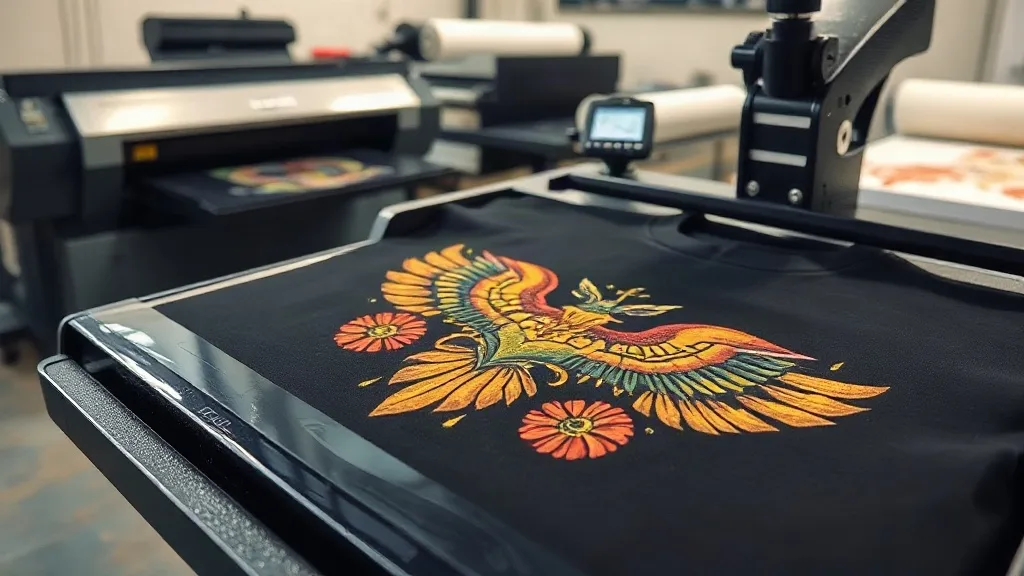
Custom apparel has never been more accessible, thanks to dtf transfers. Whether you're a small business owner looking to offer personalized shirts, a DIY enthusiast wanting to create unique gifts, or a fashion designer exploring new production methods, DTF (Direct to Film) printing is changing the game. In this guide, we'll dive deep into what DTF transfers are, how they work, and why they might be the perfect solution for your next project.
What Are DTF Transfers?
DTF stands for Direct to Film. It's a printing technology where your design is printed onto a special film, then transferred to fabric using heat and pressure. Unlike other methods that require specific fabrics or pre-treatment, DTF works on almost any material, including cotton, polyester, blends, and even nylon. The process involves printing a design onto a PET film with a specialized printer, applying an adhesive powder, and then curing it. Once ready, the film is placed on the garment and pressed with a heat press to transfer the design permanently.
The DTF Printing Process Step by Step
Understanding the DTF process helps you appreciate its versatility and troubleshoot any issues. Here's a breakdown of the steps:
- Design Preparation: Your artwork is prepared digitally, ensuring it's mirrored and sized correctly.
- Printing: A DTF printer prints the design onto a special film using pigment inks. White ink is often used as a base to make colors pop on dark fabrics.
- Powder Application: While the ink is still wet, a hot-melt adhesive powder is applied evenly over the design.
- Curing: The film is heated to melt the powder, creating a dry, tacky layer that will bond with the fabric.
- Transfer: The film is placed on the garment and pressed with a heat press at a specific temperature and pressure. After cooling, the film is peeled away, leaving the design behind.
Each step requires attention to detail, but once mastered, DTF offers incredible consistency and quality.
Why Choose DTF Transfers?
There are several reasons why DTF has become a preferred method for custom apparel decoration. Let's explore the key benefits.
Versatility Across Fabrics
One of the biggest advantages of DTF is its ability to adhere to a wide range of materials. Traditional screen printing works best on cotton, while sublimation requires polyester. DTF bridges the gap, allowing you to print on cotton, polyester, blends, and even treated nylon. This means you can offer custom designs on various garments without investing in multiple printing setups.
Vibrant, Durable Prints
DTF transfers produce high-resolution, full-color images with excellent detail. The prints are also highly durable, resisting cracking, fading, and peeling even after multiple washes. When applied correctly, a DTF print can outlast the garment itself. This durability makes it ideal for workwear, sportswear, and everyday apparel.
Cost-Effective for Small Batches
Unlike screen printing, which requires separate screens for each color and becomes cost-effective only at higher quantities, DTF is economical for small runs. You can print a single shirt or a hundred without breaking the bank. This makes it perfect for small businesses, personalized gifts, and sample production.
No Pre-Treatment Required
Some printing methods, like DTG (Direct to Garment), require pre-treating the fabric to ensure the ink bonds properly. DTF eliminates this step, saving time and reducing chemical use. Simply print, powder, cure, and press. The streamlined process is a significant advantage for busy shops.
DTF vs. Other Printing Methods
To truly appreciate DTF, it helps to compare it with other popular decoration techniques.
DTF vs. Screen Printing
Screen printing is the go-to for large orders with simple designs. It offers excellent color vibrancy and durability. However, it requires a setup for each color, making it less flexible for complex, multi-color designs or small batches. DTF, on the other hand, handles intricate designs with gradients and fine details effortlessly, and there's no minimum order. For a small batch of 10 shirts with a detailed logo, DTF is more practical and cost-effective.
DTF vs. DTG
DTG printing directly applies ink to the garment, which is great for cotton fabrics. But DTG requires pre-treatment and can be slower. DTF works on more fabrics and often produces more durable prints on synthetics. If you need to print on polyester or blends, DTF is the better choice.
DTF vs. Vinyl
Heat transfer vinyl (HTV) is popular for simple one-color designs and names. It's easy to use but limited in complexity. DTF allows for full-color, photographic-quality prints that vinyl can't match. For detailed artwork or gradients, DTF is superior.
Applications of DTF Transfers
DTF transfers are used in a variety of industries and creative projects. Here are some common applications:
- Custom T-shirts: Perfect for events, teams, businesses, and personal use.
- Sportswear: Durable prints that withstand sweat and washing.
- Workwear: Company logos and safety designs on uniforms.
- Fashion: High-detail prints for boutique clothing lines.
- Promotional items: Tote bags, hats, and more.
If you're looking to create custom apparel, dtf transfers near me can help you find local services or supplies quickly.
Getting Started with DTF Transfers
Ready to try DTF? Here's what you need to know to get started.
Equipment and Supplies
To produce DTF transfers, you'll need a DTF printer, DTF ink, PET film, adhesive powder, and a heat press. If you're not ready to invest in a printer, you can order pre-printed transfers from a supplier. Many companies offer custom DTF transfer services where you send your design and receive ready-to-press films.
Design Considerations
When creating designs for DTF, keep these tips in mind:
- Use high-resolution images (300 DPI or higher).
- Ensure your design has a transparent background if needed.
- Add a white underbase for designs on dark fabrics to maintain vibrancy.
- Consider the fabric color: white ink is used as a base, so designs on dark shirts may require a thicker ink layer.
Application Tips
For flawless transfers, follow these best practices:
- Preheat the garment to remove moisture.
- Use the correct temperature and pressure settings for your heat press (typically 300-320°F for 10-15 seconds).
- Peel the film either hot or cold, depending on the film type and adhesive used.
- Wash the garment inside out and avoid ironing directly on the print to prolong its life.
Common Challenges and Solutions
Even with a straightforward process, you might encounter issues. Here are some common problems and how to fix them.
Poor Adhesion
If the design peels after washing, it could be due to insufficient pressure, incorrect temperature, or too little adhesive powder. Ensure your heat press is calibrated and apply even pressure. Also, make sure the powder is fully cured before transferring.
Faded Colors
Fading can occur if the ink is not properly cured or if the garment is washed in hot water. Always follow the curing instructions and recommend cold washing to your customers.
Film Residue
Sometimes a bit of film residue remains on the garment after peeling. This usually happens if the transfer was pressed at too high a temperature or for too long. Try lowering the temperature slightly or reducing the press time.
Frequently Asked Questions
What is DTF printing and how does it work?
DTF printing stands for Direct to Film. It involves printing a design onto a special film, applying adhesive powder, and then transferring it to fabric using heat and pressure. The process works on almost any fabric and produces durable, vibrant prints.
Can I use DTF transfers on dark-colored shirts?
Yes, DTF transfers work excellently on dark shirts. The printer lays down a white ink base before the color inks, ensuring the design pops against dark backgrounds. This is one of the key advantages over other methods like sublimation.
How long do DTF prints last?
When applied correctly, DTF prints can last as long as the garment itself. They resist cracking, peeling, and fading for 50+ washes. Proper washing (inside out, cold water) and avoiding direct ironing on the print will extend the life further.
Do I need special equipment to apply DTF transfers?
To apply DTF transfers, you need a heat press. You don't need a DTF printer if you order pre-printed transfers from a supplier. The heat press is essential for transferring the design onto the garment with the right temperature and pressure.
Where can I find DTF transfer services near me?
You can search online for local DTF transfer services or check with printing shops in your area. Many suppliers also offer online ordering with shipping, so you can get custom transfers delivered to your door.
Final Thoughts
DTF transfers are a game-changer for custom apparel, offering unmatched versatility, durability, and cost-effectiveness. Whether you're a hobbyist or a professional, understanding how DTF works and how to apply it properly will open up new creative possibilities. Experiment with designs, master the application process, and watch your custom apparel business thrive.