
If you've been exploring custom apparel printing, you've likely come across dtf transfers as a game-changing method for vibrant, durable designs. Unlike traditional screen printing or vinyl, DTF (Direct to Film) transfers offer a versatile solution that works on almost any fabric, from cotton to polyester and even blends. In this guide, we'll walk you through everything you need to know about DTF transfers, from how they work to how to choose the best ones for your projects. Whether you're a hobbyist or a small business owner, understanding DTF technology can open up a world of creative possibilities.
What Are DTF Transfers and How Do They Work?
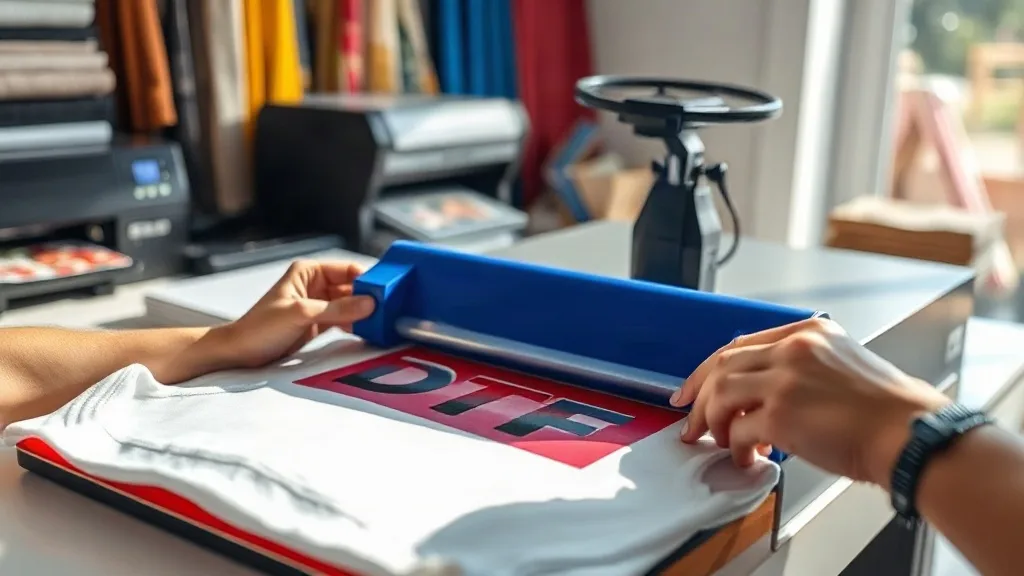
DTF transfers are printed designs on a special film that can be heat-pressed onto fabric. The process involves printing your artwork onto a PET film using specialized dtf inks, then applying a powdered hot-melt adhesive to the wet ink. Once the powder is melted, the design is ready to be transferred. When you're ready to apply it, you simply place the film on your garment and press it with a heat press. The adhesive bonds with the fabric, and after cooling, you peel away the film to reveal a soft, stretchable print.
One of the biggest advantages of DTF is that it doesn't require pre-treatment of the fabric, and it works on a wide range of materials, including dark colors and synthetics. This makes it a favorite for small businesses and crafters who want high-quality results without the hassle of weeding vinyl or the setup costs of screen printing.
Why Choose DTF Transfers for Your Projects?
There are several reasons why DTF transfers have become so popular:
- Versatility: Works on cotton, polyester, blends, and even treated nylon. You can apply DTF transfers to t-shirts, hoodies, tote bags, and more.
- Durability: When applied correctly, DTF prints are highly durable and can withstand repeated washing without fading or cracking.
- No color limitations: DTF can print full-color designs with gradients and fine details, unlike vinyl which is limited to solid colors.
- Soft feel: The prints have a soft hand feel, making them comfortable to wear.
- Cost-effective for small batches: No minimum order quantities, making it ideal for one-off projects or small runs.
If you're looking to create custom apparel for a sports team, a family reunion, or your own brand, DTF transfers offer a professional look without the need for expensive equipment.
How to Choose the Right DTF Transfers
Not all DTF transfers are created equal. The quality of the film, ink, and adhesive powder can vary significantly, affecting the final result. Here are key factors to consider:
1. Film Quality
The PET film should be coated evenly to hold the ink and powder properly. Cheap films may cause ink smearing or poor adhesion. Look for films that are specifically designed for DTF printing.
2. Ink and Powder Compatibility
DTF inks are formulated to work with the adhesive powder. Using mismatched products can lead to cracking or washing out. Always purchase from a reputable supplier who guarantees compatibility.
3. Transfer Size and Detail
Consider the complexity of your design. DTF can handle fine lines and small text, but extremely intricate designs may require a higher-resolution printer. Make sure the supplier offers high-quality printing that captures all details.
4. Application Instructions
Good suppliers provide clear instructions for heat pressing (temperature, pressure, time) and peeling (hot vs. cold peel). Following these ensures a successful transfer.
When searching for dtf transfers near me, prioritize suppliers who offer samples or small test packs so you can evaluate quality before committing to a large order.
Applications of DTF Transfers
DTF transfers are incredibly versatile and can be used for:
- Custom t-shirts and apparel for events, teams, or businesses.
- Personalized gifts like tote bags, aprons, and pillowcases.
- Promotional items for marketing campaigns.
- Small-batch production for online stores.
- Adding logos to uniforms or workwear.
The possibilities are endless, limited only by your creativity.
Tips for Successful DTF Transfer Application
To get the best results, follow these tips:
- Preheat the fabric: This removes moisture and wrinkles, ensuring better adhesion.
- Use the right pressure: Medium to high pressure is typically needed, but check your transfer's instructions.
- Peel at the right temperature: Some transfers require hot peel, others cold. Follow the supplier's recommendation.
- Wash inside out: To prolong the life of your print, wash garments inside out in cold water and tumble dry low.
Practice on scrap fabric first to dial in your heat press settings.
Finding Quality DTF Transfers Near You
With the rise of online shopping, you can easily order DTF transfers from anywhere. However, if you prefer to support local businesses or need supplies quickly, searching for dtf transfers near me can help you find a supplier in your area. Local print shops or distributors may offer DTF transfers, and you can often pick them up the same day. When choosing a local supplier, ask about their turnaround time, minimum order requirements, and whether they provide custom printing services.
If you're in the market for DTF transfers, consider Banner Pro Shop for high-quality products and excellent customer service. They offer a range of DTF supplies and can help you get started with your projects.
Common Mistakes to Avoid with DTF Transfers
Even experienced crafters can run into issues. Here are some common pitfalls:
- Using too little pressure: This prevents the adhesive from bonding properly, leading to peeling.
- Pressing on the wrong side: Always place the film with the design facing up on the fabric.
- Not preheating the fabric: Moisture can cause steam and ruin the transfer.
- Peeling too early or too late: Follow the recommended peel method.
- Washing too soon: Wait at least 24 hours before washing to allow the adhesive to fully cure.
Avoiding these mistakes will save you time and materials.
Frequently Asked Questions (FAQs)
What fabrics can I use with DTF transfers?
DTF transfers work on a wide range of fabrics, including cotton, polyester, blends, and even some synthetics. They are not recommended for fabrics with a heavy texture or coatings that prevent adhesion.
How long do DTF transfers last?
With proper application and care, DTF transfers can last as long as the garment itself. They are resistant to cracking, fading, and peeling, even after multiple washes.
Do I need a special printer for DTF transfers?
Yes, DTF printing requires a printer that uses DTF inks and a powder shaker. However, if you're only applying transfers, you just need a heat press and the pre-printed transfers.
Can I use DTF transfers on dark colors?
Absolutely! DTF transfers include a white ink layer that makes colors pop on dark fabrics. This is one of the key advantages over other methods.
Where can I find DTF transfers near me?
You can search online for local suppliers or check with print shops in your area. Many online retailers also offer fast shipping, so you can get your transfers quickly. For quality and reliability, consider dtf transfers from trusted sources.