
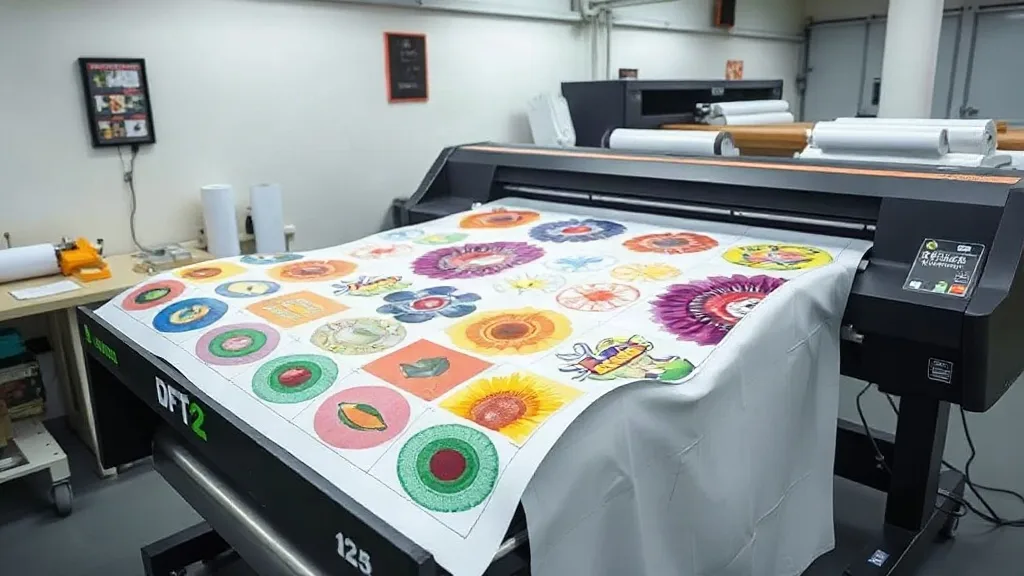
If you run a custom apparel business, you know that efficiency and cost control are key to staying competitive. Enter the DTF Gangsheet, a game-changing approach to direct-to-film printing that lets you produce multiple designs in one print run, saving time and money. In this guide, we'll dive into what DTF gangsheets are, how they work, and why they might be the missing piece in your production puzzle.
What is a DTF Gangsheet?
A DTF gangsheet is a large sheet of transfer film that contains multiple designs printed simultaneously. Instead of printing each design individually, you arrange them on a single sheet, maximizing the use of film and ink. This method is particularly popular in the custom apparel industry because it drastically reduces waste and per-unit cost. Whether you're printing t-shirts, hoodies, or tote bags, gangsheets allow you to produce a variety of designs in one go, streamlining your workflow.
How DTF Gangsheets Work
The process begins with preparing your artwork. You'll need to arrange your designs on a template that matches the width of your printer's film roll. Once the layout is set, the printer deposits a layer of white ink followed by CMYK inks onto the film. A powdered adhesive is then applied to the wet ink, and the film is cured. The result is a transfer sheet that can be pressed onto fabrics using a heat press. The gangsheet approach simply means you're filling the entire sheet with as many designs as possible, rather than printing one at a time.
Design Preparation
Proper design preparation is crucial for a successful gangsheet. Ensure your designs are high-resolution and correctly sized. Use design software to arrange them efficiently, leaving minimal gaps to maximize film usage. Remember to mirror your designs if necessary, depending on your printer's settings.
Printing and Curing
Once the layout is ready, load the film into your DTF printer. The printer will lay down the white ink base, followed by the color layers. After printing, apply the adhesive powder evenly, shake off excess, and cure the film in an oven or with a heat gun. This step is critical for ensuring the transfer adheres properly to the fabric.
Heat Press Application
When you're ready to apply the design, preheat your heat press to the recommended temperature (usually around 320°F to 340°F). Place the transfer on the fabric, cover with a protective sheet, and press for 10-15 seconds. Peel the film while it's hot or cold, depending on the film type, and you're done!
Benefits of Using DTF Gangsheets
- Cost Efficiency: By maximizing film usage, you reduce waste and lower your cost per print.
- Time Savings: Printing multiple designs at once means fewer print runs and faster turnaround.
- Versatility: DTF transfers work on a wide range of fabrics, including cotton, polyester, and blends, without the need for pre-treatment.
- Vibrant Colors: DTF printing produces bright, detailed prints that withstand washing.
- No Weeding: Unlike vinyl, there's no tedious weeding process, saving labor time.
DTF Gangsheet vs. Other Printing Methods
When compared to screen printing or DTG, DTF gangsheets offer unique advantages. Screen printing requires separate screens for each color and design, making short runs expensive. DTG printing is limited to cotton fabrics and often requires pre-treatment. DTF, on the other hand, is versatile, cost-effective for small to medium runs, and doesn't require pre-treatment. Gangsheets further enhance these benefits by allowing you to combine multiple designs into one print job.
Tips for Creating Efficient DTF Gangsheets
To get the most out of your gangsheets, follow these practical tips:
- Plan Your Layout: Use design software to nest designs closely, minimizing wasted space.
- Group by Color: If possible, group designs with similar color profiles to reduce ink changes.
- Test Print: Always do a test print on a small scale to check color accuracy and adhesion.
- Maintain Your Printer: Regular maintenance ensures consistent print quality and reduces downtime.
- Use Quality Supplies: Invest in high-quality film and powder to avoid transfer failures.
Common Applications of DTF Gangsheets
DTF gangsheets are widely used for custom t-shirts, hoodies, caps, and even accessories like tote bags. They're ideal for small businesses that offer personalized products, event merchandise, and promotional items. Because DTF works on almost any fabric, you can experiment with different materials without changing your workflow.
Frequently Asked Questions
What is the maximum size of a DTF gangsheet?
The maximum size depends on your printer's capabilities. Most DTF printers can handle film rolls up to 60 cm (24 inches) wide, but some industrial models support wider rolls. The length is limited only by the roll length, allowing for very long gangsheets if needed.
Can I use DTF gangsheets on dark fabrics?
Yes, DTF printing includes a white ink base, which makes it suitable for both light and dark fabrics. The white layer ensures that colors pop on dark materials.
How do I store DTF gangsheets?
Store unused gangsheets in a cool, dry place away from direct sunlight. Keep them flat or rolled loosely to prevent creasing. Proper storage ensures the transfers remain usable for months.
Do I need special equipment for DTF gangsheets?
You'll need a DTF printer, a heat press, and a curing oven or heat gun. Additionally, design software helps with layout. If you're outsourcing, many print shops offer gangsheet printing services.
What fabrics work best with DTF transfers?
DTF transfers adhere well to cotton, polyester, blends, and even some synthetics. They are not recommended for fabrics with heavy coatings or waterproof finishes.
Embracing DTF gangsheets can revolutionize your custom apparel production, offering flexibility, cost savings, and high-quality results. Whether you're a small startup or an established print shop, integrating gangsheets into your workflow is a smart move. For more insights and solutions, explore BannerProShop.