
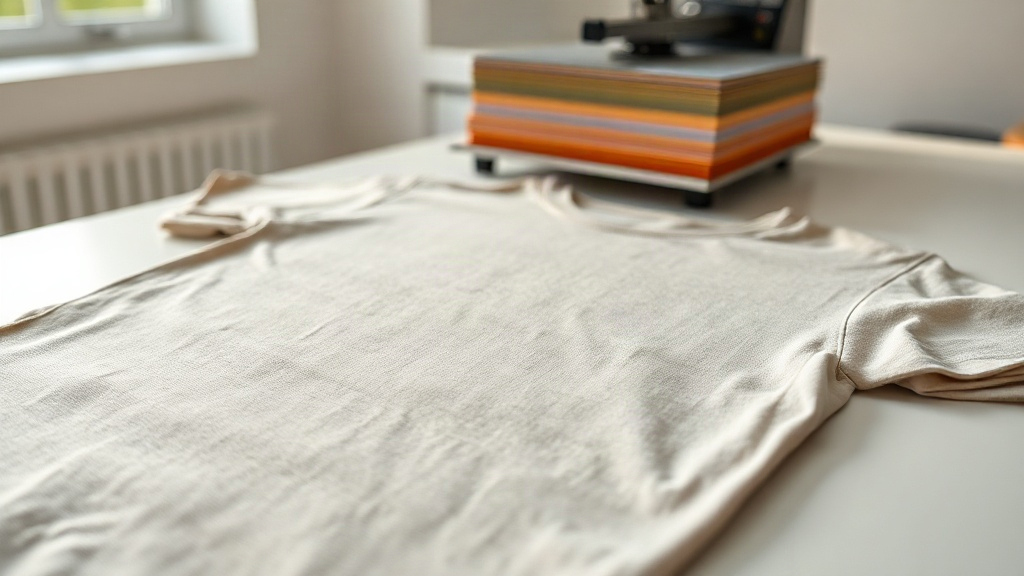
If you have ever tried to decorate a cheap, poorly made blank t-shirt, you know the frustration: the fabric fights the design, the print cracks after one wash, and your customer is left with a subpar product. Smart blanks solve that problem by giving you a reliable foundation for any decoration method. In this guide, we will explore how to choose the right blanks, why shaka wear has become a go-to for many decorators, and how DTF transfers can take your custom apparel to the next level. Whether you are a seasoned screen printer or a small business owner just starting out, understanding these three elements will save you time, money, and headaches.
What Are Smart Blanks and Why Do They Matter?
Smart blanks are not a specific brand; they are a category of apparel blanks that are engineered for decoration. They typically feature a tight weave, consistent thread count, and a smooth surface that accepts ink, vinyl, and transfers evenly. Unlike bargain-bin blanks that may have slubs, uneven dye, or inconsistent sizing, smart blanks are manufactured with the decorator in mind. They might cost a few cents more per unit, but the reduction in misprints and returns quickly outweighs the initial expense.
When you work with smart blanks, you spend less time troubleshooting. The fabric holds its shape during screen printing, the colors stay vibrant after heat pressing, and the final product looks professional. For anyone running a print shop or a custom apparel line, switching to smart blanks is one of the easiest upgrades you can make.
Key Characteristics of Smart Blanks
- Consistent fabric weight: Usually between 4.5 and 6.5 oz, heavy enough to feel substantial but light enough for year-round wear.
- Smooth surface: No rough spots or slubs that can interfere with fine details in a print or transfer.
- Minimal shrinkage: Pre-shrunk or tightly woven to reduce surprises after the first wash.
- Colorfastness: Dyes that resist fading, even after multiple washes.
- Consistent sizing: Patterns that match across sizes and colors, so your customers get a reliable fit every time.
Shaka Wear: A Blank That Works as Hard as You Do
Among the many blank brands available, shaka wear has carved out a loyal following. Known for their heavyweight cotton and relaxed fits, Shaka Wear garments are particularly popular for streetwear, skate culture, and urban fashion. But their appeal goes beyond style. These blanks are built to handle decoration. The dense knit and smooth surface make them ideal for screen printing, embroidery, and heat-applied transfers.
One of the standout features of shaka wear is their consistency. If you order a batch of tees today and another batch six months from now, the color and fit should match. That reliability is crucial when you are fulfilling large orders or building a brand. Additionally, Shaka Wear offers a range of styles, from classic crew necks to hoodies and long sleeves, so you can create a cohesive collection.
Why Decorators Choose Shaka Wear
Many decorators I have spoken with mention that Shaka Wear blanks require less pre-treatment. The fabric is already smooth and clean, so you can often skip the lint roller and go straight to pressing. The thickness also helps prevent ink from bleeding through, which is a common issue with thinner blanks. For those using DTF transfers, the tight weave provides an excellent surface for the adhesive to grab onto, resulting in a durable bond that survives repeated washing.
DTF Transfers: A Game-Changer for Custom Apparel
Direct-to-film (DTF) transfers have revolutionized the way small businesses and hobbyists approach custom apparel. Unlike traditional heat transfer vinyl (HTV), DTF transfers allow you to print full-color, photographic-quality images without weeding or layering. The process involves printing your design onto a special film, applying a powder adhesive, and then heat-pressing it onto the garment. The result is a soft, stretchy print that feels like part of the fabric.
When you combine DTF transfers with smart blanks and shaka wear, you get a trifecta of quality. The blank provides a stable, smooth canvas; the transfer delivers vibrant, detailed graphics; and the final product looks like it came from a high-end manufacturer. This combination is especially powerful for small runs, personalized items, and designs with gradients or fine details that would be difficult to achieve with screen printing.
Steps to Apply DTF Transfers on Shaka Wear Blanks
- Pre-press the garment: This removes moisture and wrinkles. Set your heat press to around 300°F (150°C) and press for 5-10 seconds.
- Position the transfer: Place the DTF transfer on the garment with the printed side up. Use heat-resistant tape if needed to keep it in place.
- Press: Apply medium to heavy pressure for 15-20 seconds at 300-325°F (150-160°C).
- Peel: Wait for the transfer to cool completely (cold peel) before removing the film. This ensures the adhesive sets properly.
- Post-press (optional): For extra durability, cover the design with a Teflon sheet or parchment paper and press again for 5-10 seconds.
Following these steps on shaka wear blanks yields a professional finish that holds up wash after wash. I have seen shirts that were worn weekly for over a year with no cracking or fading.
Choosing the Right Blanks for Your Project
Not all projects call for the same blank. When selecting smart blanks, consider the end use. For a retail line, you might want a heavier weight like Shaka Wear's 6.5 oz tees. For promotional events where cost is a factor, a lighter 4.5 oz blank might suffice. Always order samples to test decoration methods. What works for one fabric might not work for another.
Also, think about your customer's preferences. Some prefer a fitted look, while others want a relaxed, oversized fit. Shaka Wear offers both, so you can cater to different tastes. And because these blanks are available in a wide range of colors, you can create a palette that matches your brand identity.
Common Pitfalls to Avoid
- Ignoring fabric content: 100% cotton is great for DTF, but blends with polyester can affect adhesion and feel. Always test.
- Skipping pre-press: Moisture is the enemy of heat transfers. Always pre-press to avoid steam bubbles.
- Using too much pressure: This can cause the transfer to shift or the adhesive to bleed. Medium pressure is usually enough.
- Peeling too soon: Hot peel is for some transfers, but DTF typically requires a cold peel. Read the instructions.
Frequently Asked Questions
Can I use DTF transfers on any color of Shaka Wear blanks?
Yes, DTF transfers work on both light and dark garments. However, on dark colors, you need a white ink base, which DTF transfers include. Just ensure you adjust your design accordingly and test a sample first.
How durable are DTF transfers on smart blanks?
When applied correctly, DTF transfers can last as long as the garment itself. They are resistant to cracking, peeling, and fading. Washing inside out in cold water and avoiding high heat in the dryer will extend the life of the print.
What is the best heat press temperature for Shaka Wear and DTF?
Most DTF suppliers recommend 300-325°F (150-160°C) with medium to heavy pressure for 15-20 seconds. Always follow the specific instructions provided with your transfers, as formulations can vary.
Do smart blanks cost more than regular blanks?
They can cost slightly more per unit, but the savings from fewer misprints and happier customers often outweigh the difference. Plus, higher quality blanks can command a higher retail price.
Where can I buy Shaka Wear blanks and DTF supplies?
Many online retailers specialize in blank apparel and transfer supplies. Look for suppliers that offer consistent stock and good customer service. BannerProShop.com is a great place to start for all your custom apparel needs.
By choosing smart blanks, leveraging the quality of shaka wear, and mastering DTF transfers, you can elevate your custom apparel business. The combination delivers professional results that keep customers coming back. So next time you plan a project, remember: the foundation matters as much as the design.