
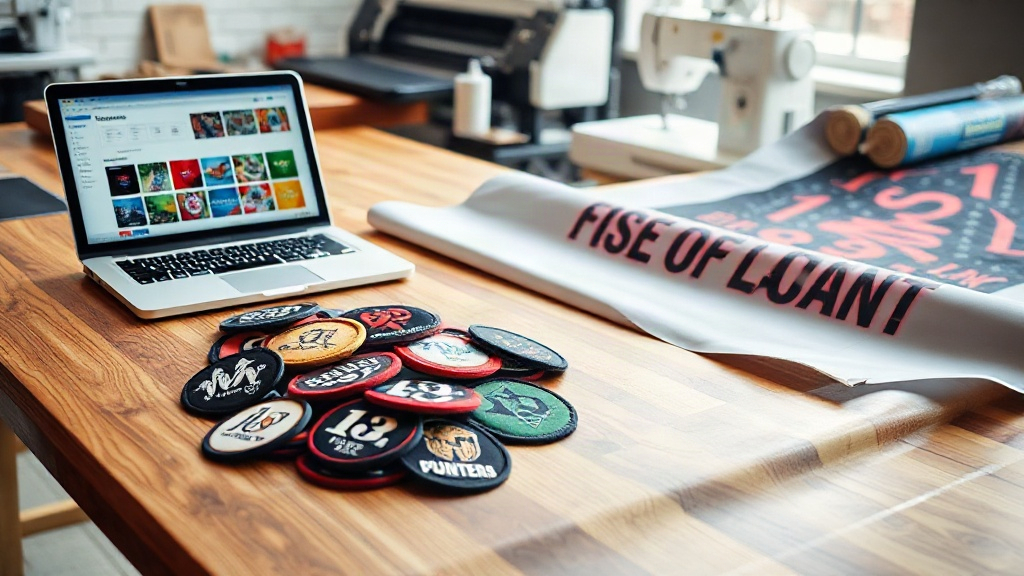
Starting a print on demand business is an exciting venture, but standing out in a crowded market requires more than just uploading a few designs. As someone who has navigated the ups and downs of this industry, I've learned that diversifying your product range is key to sustainable growth. While t-shirts and mugs are staples, adding custom patches and custom banner printing can open new revenue streams and attract a broader audience. In this guide, I'll share practical insights and strategies to help you integrate these products into your offerings effectively.
Why Expand Beyond Apparel in Print on Demand?
The print on demand model is beloved for its low upfront costs and scalability, but many entrepreneurs stick to the same product categories, leading to fierce competition. By venturing into less saturated niches like patches and banners, you can differentiate your brand. Patches appeal to hobbyists, military enthusiasts, and fashion-forward customers, while banners serve businesses, events, and personal celebrations. Both have steady demand and high perceived value, making them excellent additions to your catalog.
Understanding Your Target Audience
Before diving in, research your existing customers and identify potential segments. For instance, if you already sell custom apparel, your audience might appreciate matching patches for jackets or bags. Alternatively, you could target local businesses that need promotional banners. Conduct surveys or analyze social media trends to tailor your designs and marketing messages.
Custom Patches: A Versatile Product with Endless Possibilities
Patches are small but mighty. They can be used to personalize clothing, repair worn items, or decorate accessories like backpacks and hats. The key to success with custom patches is offering high-quality embroidery or woven options with clear customization options. Let's explore what makes them a profitable addition.
Types of Patches and Their Uses
- Embroidered patches: Classic and textured, ideal for logos and badges.
- Woven patches: Allow finer detail and are perfect for intricate designs.
- PVC patches: Durable and 3D, great for outdoor gear.
- Chenille patches: Vintage look for sports and college apparel.
Each type has its own aesthetic and functional benefits. For example, a motorcycle club might prefer PVC for weather resistance, while a fashion brand might opt for chenille to evoke nostalgia. By offering multiple types, you cater to different needs and increase your market reach.
Design Considerations for Patches
When designing patches, remember that they are small, so bold shapes and limited colors work best. Use vector graphics to ensure crisp scaling. Also, consider the backing: iron-on is convenient for consumers, but sew-on is more durable. Providing options can be a selling point. I recommend creating a simple online configurator that lets customers upload their artwork and choose these specifications in real time.
Custom Banners: High-Impact Branding for Every Occasion
Banners are a fantastic way to capture attention, whether for a storefront, event, or trade show. Unlike patches, which are personal, banners are often business-related, offering opportunities for bulk orders. Many print on demand companies overlook banners because they seem large and complex, but modern printing technology makes them accessible.
Popular Banner Materials and Finishes
- Vinyl banners: Durable and waterproof, perfect for outdoor use.
- Fabric banners: Reusable and elegant, ideal for indoor events.
- Mesh banners: Wind-resistant, great for fences and large areas.
- Retractable banners: Portable and professional for trade shows.
Each material serves a purpose. For instance, a local restaurant might order a vinyl banner for a sidewalk sign, while a conference organizer might need fabric banners for a backdrop. Offering these options positions you as a one-stop shop for promotional needs.
Design Tips for Eye-Catching Banners
Banners are viewed from a distance, so your design must be simple and legible. Use high-contrast colors, large fonts, and minimal text. Remember to include a clear call-to-action, like a website or phone number. Provide templates to help customers visualize their content, and ensure your pricing is transparent based on size and material. A good rule of thumb is to offer standard sizes (e.g., 3x6 feet) for quick ordering, but also allow custom dimensions.
Production and Fulfillment Strategies
One of the benefits of print on demand is not holding inventory, but you still need reliable suppliers who can deliver quality products on time. For patches, find a partner who specializes in embroidery or PVC molding. For banners, look for large-format printers with a quick turnaround. Test samples before committing, and establish a drop-shipping arrangement if possible.
Quality Control and Packaging
Since you don't handle the products, you must rely on your supplier's quality. However, you can request quality checks and implement a feedback loop. Ensure that each patch is neatly packaged and banners are folded or rolled without creases. Consider adding a thank-you note or a small care guide to enhance the unboxing experience.
Pricing for Profitability
Pricing your products correctly is crucial. For patches, calculate the cost per unit plus your desired margin, but also consider perceived value. For banners, price by square footage, factoring in material and print costs. Always account for shipping and potential rush fees. Remember to offer discounts for bulk orders to encourage larger purchases.
Marketing Your New Products
Once you've added custom patches and custom banner to your store, you need to promote them effectively. Use your existing customer base and email list to announce the new arrivals. Create social media content that showcases the products in action, such as a video of a patch being applied or a banner displayed at an event.
Leveraging Niche Communities
Patches have strong communities, from patch collectors to embroidered fashion enthusiasts. Join forums, Facebook groups, and Reddit threads to engage with potential customers. For banners, connect with event planners, small business owners, and marketing professionals. Share valuable content, like design tips or industry trends, to establish credibility.
Using Visual Platforms
Platforms like Instagram and Pinterest are perfect for showing off your products. Post high-quality images of patches on denim jackets or banners at festivals. Use relevant hashtags like #custompatches or #printingbanners to reach a broader audience. Consider collaborating with influencers who can demonstrate the products to their followers.
Real-Life Success Stories
To illustrate the potential, I've seen small shops thrive by focusing on patches for local sports teams. By offering bulk pricing and quick delivery, they secured contracts with schools and clubs. Another store added custom banner printing and attracted repeat business from event organizers who needed both indoor and outdoor signage. These niches can become pillars of your income.
Common Pitfalls to Avoid
While expanding your product line is exciting, there are pitfalls. Avoid spreading yourself too thin by adding too many products at once. Ensure your supplier can handle the volume and maintain quality. Don't neglect design support; customers may need help creating their artwork. Finally, keep your website user-friendly, with clear product categories and easy navigation.
Conclusion: Embrace the Opportunity
Incorporating custom patches and custom banner into your print on demand business is a smart move that can set you apart from competitors. These products offer high margins, diverse applications, and a chance to tap into passionate markets. With careful planning, quality production, and effective marketing, you can expand your reach and increase your revenue. Remember, the key is to listen to your customers and continuously adapt to their needs. So, why wait? Start exploring these exciting possibilities today and watch your business flourish.
Frequently Asked Questions
How do I ensure the best quality for custom patches?
Quality starts with a reliable supplier. Order samples to check stitch density, thread colors, and backing strength. Provide clear artwork in high resolution and vector format. Communicate your expectations and ask for a proof before production. For PVC patches, ensure the mold is precise and the material is durable.
What size and material should I choose for a custom banner?
Size depends on the intended use. For outdoor signs, consider the viewing distance; a general rule is 1 inch of letter height per 10 feet of distance. Vinyl is a good default for outdoor durability, but fabric is better for indoor events where you want a premium feel. If you're unsure, consult with your printer for recommendations.
Can I start selling custom patches and banners with no upfront inventory?
Yes, that's the beauty of print on demand. You can partner with suppliers who print and ship individual orders or small batches. This eliminates the need to buy bulk inventory, reducing risk. However, for banners, some suppliers may have minimum order quantities, so research and choose partners that fit your needs.
How can I market my custom patch and banner products effectively?
Focus on visual storytelling. Share behind-the-scenes looks at the production process, customer photos, and tutorials. Use targeted ads on platforms where your audience hangs out. For patches, engage with niche communities on social media. For banners, highlight their versatility in different scenarios. Offer promotions like discounts for first-time buyers or bundle deals.
What are the typical profit margins for custom patches and banners?
Margins vary based on product type, quantity, and pricing strategy. Generally, patches can have margins between 30% to 50% because they are inexpensive to produce but can be sold at a premium. Banners have lower margins per item, but since they are larger and often ordered in bulk, the overall profit can be significant. Always calculate your costs thoroughly and price competitively while ensuring profitability.