
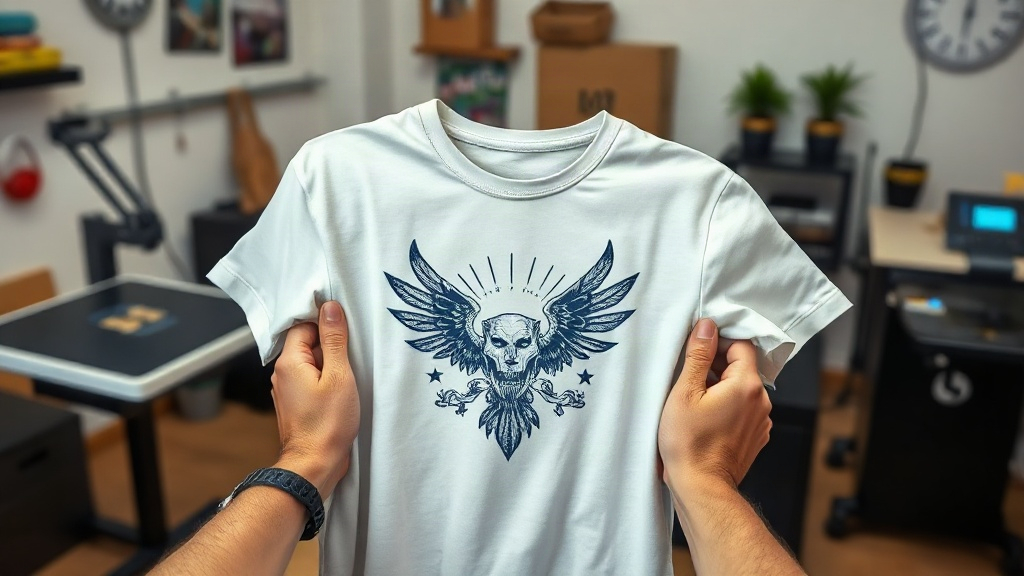
Imagine pressing a vibrant, full-color design onto a dark cotton t-shirt without any weeding, masking, or color limitations. That's the promise of DTF transfers, a technology that has taken the custom apparel world by storm. Unlike traditional methods that require separate screens or cutting, DTF (Direct to Film) printing lets you transfer intricate designs onto almost any fabric with remarkable detail. Whether you're a small business owner, a hobbyist, or a professional decorator, understanding DTF transfers can open up new creative and commercial possibilities.
What Are DTF Transfers?
DTF transfers are printed designs on a special film that can be heat-pressed onto fabrics. The process involves printing a design onto a PET film using specialized inks, then applying a powder adhesive while the ink is still wet. After curing, the transfer is ready to be pressed onto a garment. The result is a soft, stretchable, and durable print that bonds permanently to the fabric.
The key difference between DTF and other transfer methods like DTG or sublimation is its versatility. DTF works on a wide range of materials, including cotton, polyester, blends, and even leather. It also eliminates the need for pre-treatment, which is a big plus for many users.
How DTF Transfers Work: Step by Step
Understanding the DTF process helps you appreciate its simplicity and effectiveness. Here's a breakdown of the steps:
- Design Preparation: Create your artwork using graphic software and print it onto DTF film with a DTF printer. The printer uses CMYK plus white ink to ensure opacity on dark fabrics.
- Powder Application: While the ink is still wet, apply a hot-melt adhesive powder evenly over the design. Shake off the excess.
- Curing: Place the film in a curing oven or under a heat press to melt the powder. This creates a bond that will adhere to the fabric.
- Transfer: Set your heat press to the recommended temperature (usually around 160°C or 320°F) and press the transfer onto the garment for 10-15 seconds.
- Peel: After pressing, peel the film off while it's hot or cold, depending on the film type. The design remains on the fabric.
This process can be done in-house with relatively affordable equipment, making it accessible for small businesses and startups.
Why Choose DTF Transfers Over Other Methods?
DTF transfers offer several advantages that make them a preferred choice for many decorators. Let's explore the main benefits.
Unmatched Versatility
DTF transfers can be applied to a wide range of fabrics, including those that are difficult to print on with other methods. Cotton, polyester, blends, nylon, and even leather are all fair game. This opens up opportunities for customizing items like tote bags, caps, and jackets.
No Weeding or Masking Required
Unlike heat transfer vinyl (HTV), DTF transfers don't require weeding, which is a time-consuming and tedious process. You simply print, powder, cure, and press. This saves hours of labor and reduces the chance of errors.
Vibrant Colors and Fine Details
DTF printers use white ink as a base, allowing for bright, opaque colors on dark garments. The printing resolution is high, so even the smallest text and intricate gradients come out sharp. This makes DTF ideal for photorealistic designs and complex artwork.
Durability and Washability
When properly applied, DTF transfers are highly durable. They can withstand repeated washing without cracking, peeling, or fading. The prints remain soft and stretchable, moving with the fabric.
Cost-Effective for Short Runs
For small batch orders or one-off custom pieces, DTF is more economical than screen printing, which requires setup costs per color. There's no minimum order quantity, so you can produce exactly what you need.
Common Applications of DTF Transfers
DTF transfers are used in a variety of industries and personal projects. Here are some popular applications:
- Custom T-shirts: Perfect for personalized tees with names, logos, or full-color graphics.
- Sportswear: Team jerseys, uniforms, and activewear benefit from the stretchable and durable prints.
- Corporate Apparel: Company logos on polo shirts, hoodies, and jackets.
- Promotional Products: Tote bags, hats, and aprons with vibrant branding.
- Fashion and Streetwear: High-detail designs for trendy clothing lines.
If you're looking to offer custom apparel services, DTF transfers can be a valuable addition to your capabilities. You can find a range of DTF supplies and equipment at BannerProShop to get started.
Tips for Successful DTF Transfers
To achieve the best results with DTF transfers, keep these expert tips in mind:
- Choose the Right Film: Not all DTF films are created equal. Select a film that matches your printer and desired finish (matte or glossy).
- Control Moisture: DTF film is sensitive to humidity. Store it in a dry environment and avoid touching the print area with bare hands.
- Use Quality Powder: The adhesive powder plays a crucial role in durability. Invest in a reputable brand to avoid clogging or poor adhesion.
- Optimize Press Settings: Temperature, pressure, and time vary by fabric and transfer type. Always test on a scrap piece first.
- Pre-Press Garments: Remove wrinkles and moisture from the garment before pressing to ensure a smooth application.
- Cold Peel vs. Hot Peel: Some films require peeling while hot, others when cool. Follow the manufacturer's instructions for your specific film.
Frequently Asked Questions About DTF Transfers
How long do DTF transfers last?
When applied correctly, DTF transfers can last as long as the garment itself. They withstand dozens of washes without significant fading or cracking. Proper washing inside out in cold water and avoiding harsh detergents will extend their life.
Can I use DTF transfers on 100% polyester?
Yes, DTF transfers work well on polyester, including 100% polyester fabrics. However, because polyester is heat-sensitive, you may need to lower the press temperature slightly to avoid scorching. Always test first.
Do I need a special printer for DTF transfers?
Yes, DTF printing requires a DTF printer that uses pigment inks and white ink. You can convert some inkjet printers, but dedicated DTF printers are recommended for consistent results. Alternatively, you can buy pre-printed DTF transfers from suppliers.
What is the difference between DTF and DTG?
DTG (Direct to Garment) prints directly onto the fabric, while DTF prints onto a film that is then transferred. DTF offers better versatility on dark and synthetic fabrics, and no pre-treatment is needed. DTG is limited mostly to cotton and requires pre-treatment for dark shirts.
Can I stretch DTF prints?
Yes, DTF transfers are stretchable and can be applied to stretchy fabrics like spandex and elastane. The print will move with the fabric without cracking, provided the transfer was applied correctly with the right powder and press settings.
Getting Started with DTF Transfers
If you're ready to dive into DTF transfers, start by assessing your production volume and budget. For occasional use, purchasing pre-made transfers from a supplier might be more practical. For higher volumes, investing in a DTF printer and curing oven can save money in the long run. Many suppliers, including BannerProShop, offer starter kits and supplies to help you get up and running.
Remember that practice makes perfect. Experiment with different fabrics, press settings, and films to find what works best for your projects. Join online communities and forums to learn from others' experiences and stay updated on new products and techniques.
Conclusion
DTF transfers have revolutionized the custom apparel industry by offering a versatile, durable, and cost-effective solution for decorating garments. Whether you're a business looking to expand your services or an individual creating personalized items, DTF transfers provide the freedom to print vibrant, detailed designs on almost any fabric. With the right knowledge and tools, you can achieve professional results that impress your customers and keep them coming back.