
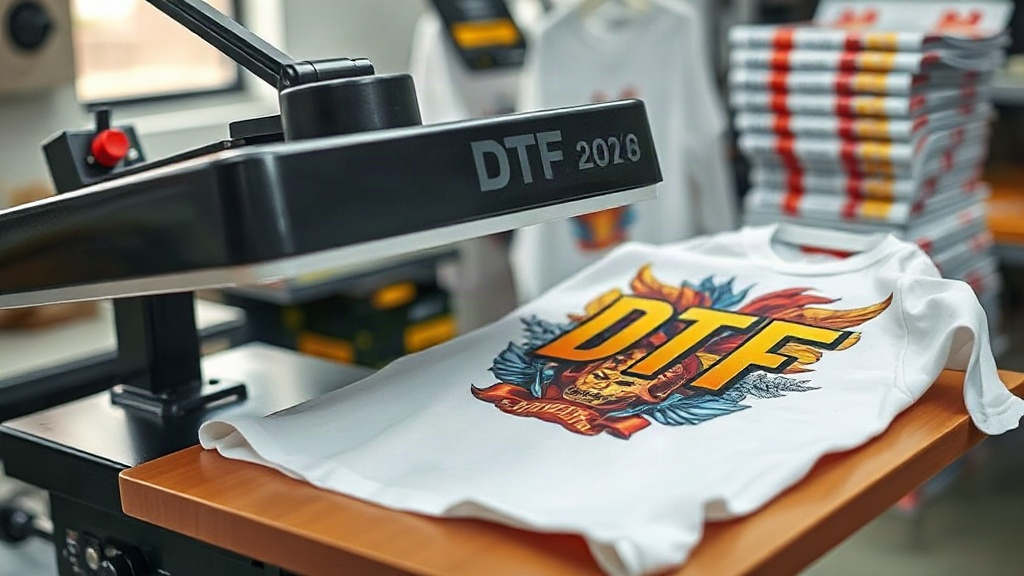
Imagine pressing a vibrant, full-color design onto a cotton t-shirt in under a minute, with no weeding, no masking, and no color limitations. That's the promise of DTF transfers, a technology that has rapidly become a favorite among custom apparel creators. Whether you're a small business owner, a hobbyist, or a professional printer, understanding DTF transfers can open up new possibilities for your projects. In this guide, we'll dive deep into what DTF transfers are, how they work, and why they might be the perfect solution for your next order.
What Are DTF Transfers?
DTF stands for Direct-to-Film. It's a printing method where your design is printed onto a special PET film using water-based pigment inks, then coated with a hot-melt adhesive powder. The result is a transfer that can be applied to fabric using a heat press. Unlike DTG (Direct-to-Garment) or screen printing, DTF transfers don't require pre-treatment or specialized equipment beyond a printer and a heat press. This makes them accessible to a wide range of users, from home-based crafters to large-scale production facilities.
How DTF Transfers Work: Step by Step
Understanding the process helps you appreciate the versatility and simplicity of DTF transfers. Here's a breakdown of the key steps:
- Design Preparation: Your artwork is prepared in a graphics program, ensuring it's mirrored and sized appropriately.
- Printing: The design is printed onto a DTF film using a specialized printer with pigment inks. A white ink layer is usually added behind the color layers to ensure opacity on dark fabrics.
- Powdering: While the ink is still wet, a thermoplastic powder is applied evenly over the printed area. Excess powder is shaken off.
- Curing: The film is then heated to melt the powder, creating a flexible, adhesive layer that will bond to the fabric.
- Transfer: The cured film is placed on the garment and pressed with a heat press at a specific temperature and pressure for a set time.
- Peeling: After pressing, the film is peeled away (hot or cold peel, depending on the film type), leaving the design bonded to the fabric.
Why Choose DTF Transfers?
DTF transfers offer several advantages that make them stand out:
- No Color Limits: Unlike screen printing, DTF can reproduce full-color images with gradients and fine details without additional cost.
- Fabric Versatility: They work on cotton, polyester, blends, and even some non-textile materials like canvas and leather.
- Durability: When applied correctly, DTF prints are stretchable and resistant to cracking and fading.
- Cost-Effective for Short Runs: No setup fees or minimums, making them ideal for small batches and personalized items.
- Easy to Use: With a heat press and a bit of practice, anyone can achieve professional results.
Applications of DTF Transfers
DTF transfers are used in a variety of settings:
- Custom T-shirts: Perfect for team uniforms, event merchandise, and personalized gifts.
- Activewear: The stretchable nature of DTF prints makes them suitable for performance fabrics.
- Bags and Accessories: Add logos or designs to tote bags, backpacks, and more.
- Home Decor: Personalize pillows, blankets, and wall hangings.
Tips for Successful DTF Transfer Application
To get the best results, follow these guidelines:
- Choose the Right Film: Different films are available for different fabrics and effects (e.g., matte, glossy, stretch).
- Control Temperature and Pressure: Each film and powder combination has recommended settings. Always test on a scrap piece first.
- Pre-Press the Garment: This removes moisture and wrinkles, ensuring a smooth surface for the transfer.
- Peel at the Right Temperature: Some films require hot peel, others cold. Follow the manufacturer's instructions.
- Wash Inside Out: To prolong the life of the print, wash garments inside out in cold water and avoid harsh detergents.
Common Challenges and Solutions
Even with a straightforward process, issues can arise. Here are some common problems and how to fix them:
Poor Adhesion
If the transfer peels off, it could be due to insufficient pressure, incorrect temperature, or too short a press time. Increase pressure and ensure your heat press is calibrated.
Color Fading
Fading after washing often indicates under-curing of the powder or using too high a heat during application. Always follow the recommended curing parameters.
Film Sticking
If the film sticks to the garment after peeling, you may be peeling at the wrong temperature. Try cold peel if the film supports it, or wait a few seconds for it to cool.
DTF vs. Other Printing Methods
How does DTF compare to DTG, screen printing, and vinyl?
- DTG: DTF is more versatile with fabrics and doesn't require pre-treatment, but DTG can be faster for large runs on 100% cotton.
- Screen Printing: DTF wins for complex, multi-color designs and short runs; screen printing is more cost-effective for high-volume, simple designs.
- Vinyl: DTF allows for more intricate designs without weeding, but vinyl can be more durable for single-color text.
Frequently Asked Questions About DTF Transfers
What fabrics can I use with DTF transfers?
DTF transfers work on a wide range of fabrics, including cotton, polyester, cotton-poly blends, nylon, and even leather. They are not recommended for fabrics with a heavy water-repellent coating.
How long do DTF prints last?
With proper application and care, DTF prints can last as long as the garment itself. They are resistant to cracking and fading, but washing inside out in cold water will extend their life.
Do I need a special printer for DTF transfers?
Yes, you need a DTF printer that uses pigment inks and can print white ink. However, you can also buy pre-printed DTF transfers from suppliers if you don't want to invest in a printer.
Can I stretch DTF prints?
Yes, DTF prints are flexible and can stretch with the fabric without cracking, making them ideal for activewear and stretchy materials.
What is the difference between hot peel and cold peel DTF film?
Hot peel film is peeled immediately after pressing while the transfer is still hot, while cold peel film must cool completely before peeling. The choice depends on the film type and desired finish.
DTF transfers have truly democratized custom apparel printing. With minimal equipment and a bit of practice, you can produce vibrant, durable designs on almost any fabric. Whether you're running a business or creating gifts for friends, DTF transfers offer a reliable and versatile solution. So why not give it a try? Your next custom creation could be just a press away.