
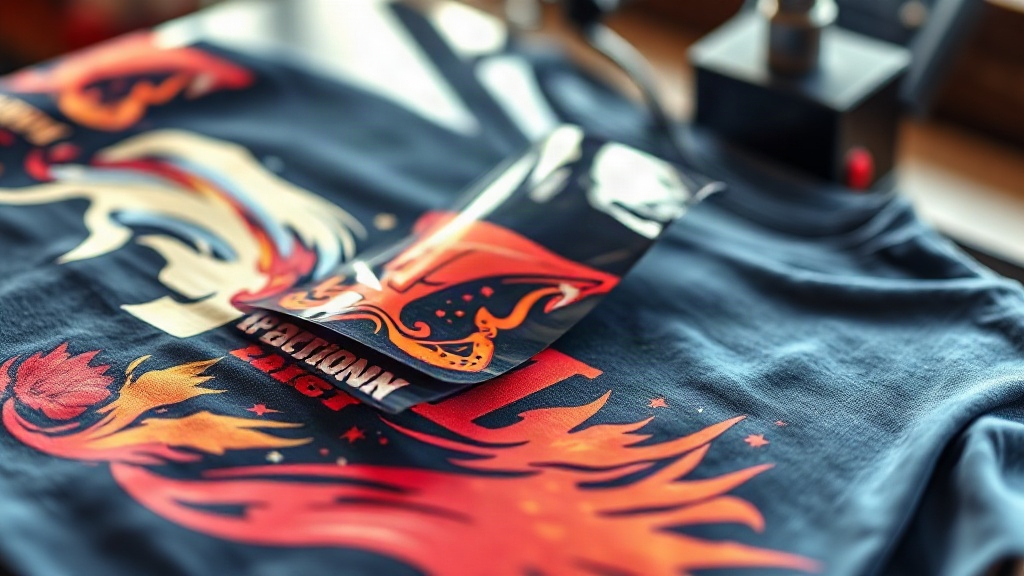
When you want to print custom designs on fabric, DTF transfers offer a versatile and durable solution. Unlike traditional methods, DTF (Direct to Film) transfers allow you to print intricate details on a wide range of materials, from cotton to polyester. This guide will walk you through the basics, benefits, and practical application of DTF transfers.
What Are DTF Transfers?
DTF transfers are a printing technology where your design is printed onto a special film, coated with adhesive powder, and then heat-pressed onto fabric. The process involves a DTF printer, which uses pigment-based inks to print onto a PET film. After printing, a hot melt adhesive powder is applied, and the film is cured. When you're ready to apply, you simply place the film on your garment and press with a heat press. The result is a soft, stretchable print that bonds permanently to the fabric.
The DTF Printing Process
The process starts with a digital design. The printer lays down a layer of white ink (if needed for opacity) followed by CMYK colors. Then, the film passes through a powder shaker that applies adhesive powder. After shaking off excess powder, the film is cured in an oven or with a heat gun. Once cured, the transfer is ready to be stored or applied immediately.
Why Choose DTF Transfers?
DTF transfers have gained popularity for several reasons. They work on almost any fabric, including cotton, polyester, blends, and even leather. The prints are highly durable, resisting cracking, peeling, and fading. Plus, the colors are vibrant and detailed, making them ideal for complex designs.
Versatility Across Fabrics
One of the biggest advantages is that you don't need different transfer types for different materials. Whether you're printing on a 100% cotton t-shirt or a polyester jacket, DTF transfers adhere well. This eliminates the need for multiple inventories, simplifying your production.
Durability and Washability
When applied correctly, DTF transfers can withstand numerous washes without losing quality. The print remains flexible and doesn't feel heavy on the fabric. This makes them suitable for items that undergo frequent washing, like sports jerseys or kids' clothing.
Cost-Effectiveness for Small Businesses
For small businesses or hobbyists, DTF transfers offer a low-cost entry into custom apparel. You can print one-off designs or small batches without the setup costs of screen printing. The equipment is relatively affordable, and you can produce high-quality prints from your home studio.
How to Apply DTF Transfers
Applying DTF transfers is straightforward. You'll need a heat press, the transfer film, and your garment. Follow these steps for best results.
Step-by-Step Application
- Preheat your heat press to the recommended temperature, usually around 300-325°F (150-160°C).
- Place your garment on the press and pre-press for a few seconds to remove moisture.
- Position the DTF transfer on the garment with the printed side facing up.
- Press with medium pressure for 10-15 seconds.
- Remove the garment and let it cool completely.
- Peel off the film carefully. For a matte finish, peel while hot; for glossy, peel after cooling.
Tips for Perfect Results
- Always test on a scrap piece of fabric first.
- Ensure the transfer is properly cured; under-curing can lead to wash-off.
- Use a Teflon sheet or parchment paper to protect the press.
- Store unused transfers in a cool, dry place.
DTF vs Other Printing Methods
Compared to screen printing, DTF transfers are more efficient for small runs and complex designs. Unlike vinyl, they don't require weeding and can handle fine details. Heat transfer vinyl (HTV) is limited to certain fabrics, while DTF works on nearly all. However, for large orders, screen printing may be more cost-effective per unit.
When to Use DTF Transfers
Choose DTF transfers when you need full-color, photographic-quality prints on a variety of fabrics, especially for small to medium quantities. They're perfect for custom t-shirts, tote bags, and promotional items.
Common Mistakes to Avoid
Even though DTF transfers are user-friendly, some pitfalls can affect quality. Avoid these common errors:
- Insufficient pressure during pressing.
- Not pre-pressing the garment, leading to moisture interference.
- Using the wrong temperature, which can scorch or under-cure.
- Peeling the film too quickly or at the wrong temperature.
Frequently Asked Questions
What fabrics work best with DTF transfers?
DTF transfers adhere well to cotton, polyester, blends, and even leather. They are not recommended for nylon or waterproof fabrics without special treatment.
How long do DTF transfers last?
With proper application and care, DTF transfers can last as long as the garment itself. Wash inside out in cold water and avoid bleach to prolong life.
Can I stretch DTF prints?
Yes, DTF transfers have some stretchability, making them suitable for stretchy fabrics. However, excessive stretching may cause cracking over time.
Do I need a special printer for DTF transfers?
Yes, a DTF printer is required, which uses pigment inks and a film transfer process. Alternatively, you can buy pre-printed transfers from suppliers.
How do I store DTF transfers?
Store them in a cool, dry place away from direct sunlight. Keep them flat to avoid creasing.